The Art of Connection: How Cooking Enhances Our Communication Skills
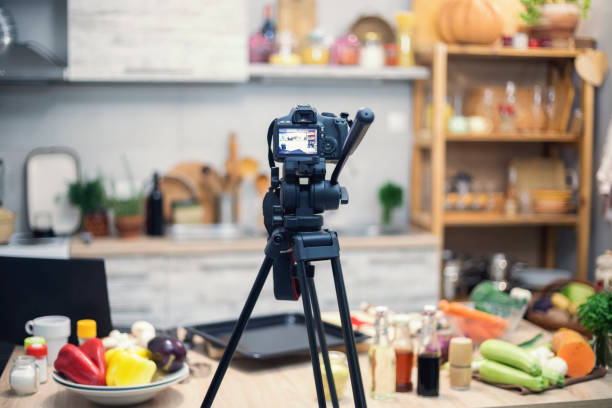
At its most fundamental level, cooking with others is an exercise in collaborative communication. Whether coordinating a family dinner or preparing a meal with friends, the kitchen requires a symphony of unspoken cues and explicit instructions. Negotiating space around a hot stove, timing multiple dishes to finish together, and delegating tasks all necessitate clear, concise, and respectful dialogue. We learn to express our needs—“Could you chop the onions next?”—and to listen actively to others’ contributions. This environment teaches practical teamwork, where the success of the shared goal—a delicious meal—depends on the fluidity of our interactions. It is a space where hierarchies often flatten; a child can instruct an adult on a recipe step, fostering confidence and the articulation of clear processes.
Perhaps most powerfully, cooking allows us to communicate emotions and care in a manner that often transcends words. A lovingly prepared meal is a tangible expression of affection, comfort, or celebration. When we cannot find the right words to console a grieving friend, a delivered casserole speaks volumes. The care taken in selecting ingredients, balancing flavors, and presenting a dish conveys a message of thoughtfulness and investment in another’s wellbeing. This form of sensory communication is universally understood, bridging gaps where language may fail. The taste of a familiar dish can evoke memories and feelings, sparking conversations about the past and deepening emotional bonds through shared nostalgia.
Furthermore, the process of cooking, especially when teaching or learning, demands a precision and clarity in instruction that sharpens our communicative abilities. Explaining how to properly knead dough or recognize the visual cues of a perfectly seared scallop requires moving beyond vague language. It challenges us to break down complex procedures into understandable steps, to use analogies, and to engage multiple senses in our description. This practice in pedagogical communication—teaching and learning—cultivates patience and empathy. The teacher must gauge the learner’s understanding, and the learner must feel comfortable asking for clarification, building a feedback loop essential to all effective communication.
Finally, the kitchen is a natural stage for storytelling and cultural dialogue. Recipes are narratives passed down through generations, each carrying the history and identity of a family or a people. Cooking a traditional dish with a grandparent becomes an interactive interview, drawing out stories of heritage and personal history that might otherwise remain untold. Similarly, exploring the cuisine of another culture is an act of curious, respectful communication—a way to ask, “Tell me about your world.” Sharing these meals then becomes the catalyst for conversation, where flavors spark questions, comparisons, and a deeper appreciation for diverse experiences and traditions.
In essence, cooking returns us to a fundamental, human mode of interaction. It engages us in a shared, present-moment activity that requires both self-expression and acute attention to others. It translates intangible feelings into edible art and transforms recipes into conversations. By demanding collaboration, expressing empathy, teaching clarity, and preserving stories, the simple act of preparing food together does more than nourish our bodies; it refines the very ways we connect, understand, and communicate with one another, making the kitchen not just a room for meal prep, but a vital workshop for the heart and mind.