Embracing Diverse Kitchen Skills for Harmonious Cooking

A foundational step is to openly acknowledge the difference in abilities without judgment. This requires moving away from a mindset of “good” versus “bad” cooks and instead adopting a perspective of “experienced” and “learning.“ The more skilled individual must consciously practice patience, resisting the urge to take over a diced onion or correct a seasoning choice in a dismissive way. Conversely, the less experienced cook should embrace a spirit of curiosity and a willingness to learn, asking questions and accepting guidance as a gift rather than criticism. This mutual respect establishes a safe space where mistakes are seen not as failures, but as inevitable steps in the process, much like a slightly burnt first batch of cookies.
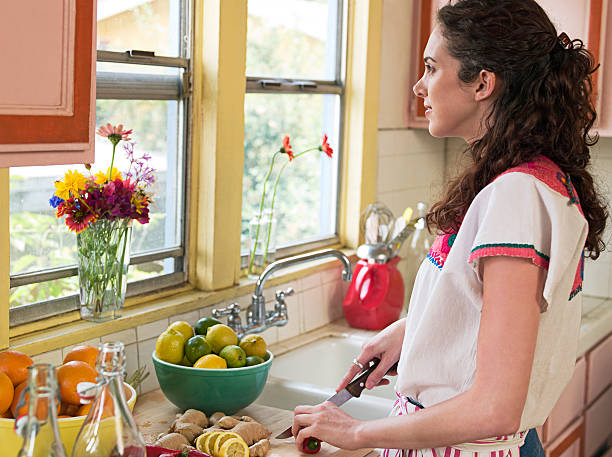
Practical harmony is achieved through thoughtful task delegation aligned with competence and comfort. Meal preparation is a symphony of small jobs, not a solo performance. The experienced cook might handle the intricate knife work for the stir-fry or manage the timing of multiple dishes on the stove. Meanwhile, others can be entrusted with washing and tearing greens, measuring ingredients, setting the table, or stirring a simmering pot. This approach ensures efficiency and safety while giving everyone a clear, manageable role. It transforms cooking from a potential performance review into a collaborative project where each person’s contribution, however simple, is essential to the final result.
Furthermore, the kitchen can become a gentle classroom without formal lessons. Planning simpler meals together, or choosing one new recipe to attempt as a team, levels the playing field. Here, the skilled cook can demonstrate techniques in context—how to properly hold a knife, why you let meat rest, how to taste and adjust—turning the meal preparation into an organic learning experience. This shared focus on a common goal, rather than on the gap in skill, builds camaraderie. The less experienced cook gains confidence through hands-on practice, and the teacher often finds their own understanding deepened by explaining the “why” behind their actions.
Ultimately, the goal is to shift the emphasis from perfection to participation and shared experience. The meal’s success should be measured not just by its flavor, but by the laughter exchanged while preparing it, the stories told over chopping boards, and the pride of having created something together. A slightly over-salted soup becomes a fond memory when it was the result of a joint effort. Celebrating the collaboration itself reinforces positive associations with kitchen time, encouraging the novice to engage more often and reminding the expert that food’s true magic lies in its power to connect people.
Handling different skill levels in the kitchen is a delicate but rewarding practice in emotional intelligence. It calls for humility from the adept and courage from the beginner. By prioritizing respect over results, collaboration over criticism, and shared experience over solitary excellence, the kitchen transforms. It ceases to be a place where skill divides and becomes, truly, a nourishing heart of the home where everyone has a place at the counter, and every contribution adds to the feast.