Essential Tools for a Harmonious CoupleCooking Kitchen
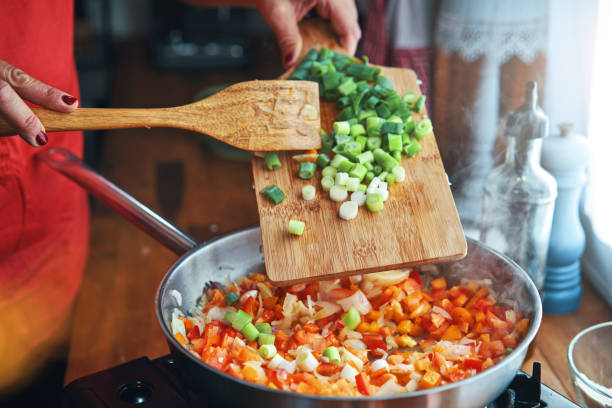
Foremost, a foundation of high-quality, versatile cookware is non-negotiable. A heavy-duty chef’s knife and a reliable paring knife, kept sharp with a honing steel, are the cornerstones. Two great knives allow both partners to work simultaneously on separate tasks—one dicing onions while the other mincing garlic—without the awkwardness of sharing a single blade. Similarly, a robust cutting board, preferably one large enough to accommodate both cooks or two separate boards designated for proteins and produce, maintains organization and food safety. This simple duplication in key areas prevents the minor logistical collisions that can interrupt the flow of cooking. Complementing these, a set of durable mixing bowls in graduated sizes is indispensable, providing vessels for everything from marinating proteins to tossing salads, and facilitating the easy passing of prepped ingredients between partners.
Efficiency is further unlocked by tools designed for seamless workflow. A kitchen timer, whether a simple magnetic dial or a sophisticated digital model with multiple countdowns, is an unsung hero. It allows one person to monitor roasting vegetables while the other focuses on a simmering sauce, creating a synchronized symphony rather than a frantic scramble. Likewise, a series of small prep bowls or ramekins, often called mise en place dishes, empower a couple to organize chopped herbs, measured spices, and other components before cooking begins. This shared organizational system turns cooking into a clear, cooperative project where each person can see the plan unfolding. Furthermore, essential gadgets like a sturdy microplane for zesting citrus, a reliable vegetable peeler, and a sturdy box grater multiply efficiency, allowing both individuals to contribute to prep work without bottlenecking at a single tool.
Perhaps the most critical tools, however, are those that enhance safety and ease, directly reducing stress in a shared space. A pair of high-quality oven mitts or gloves—two pairs, ideally—ensure both people can handle hot items safely without waiting for a single mitt to be free. Long-handled tongs and a slotted spatula provide secure, confident control when flipping fish or stirring a boiling pasta, keeping hands away from heat and splatter. A powerful kitchen exhaust fan is also a vital, if often overlooked, tool; it maintains a comfortable environment when searing meats or sautéing aromatic ingredients, ensuring the kitchen remains a pleasant place to converse and collaborate.
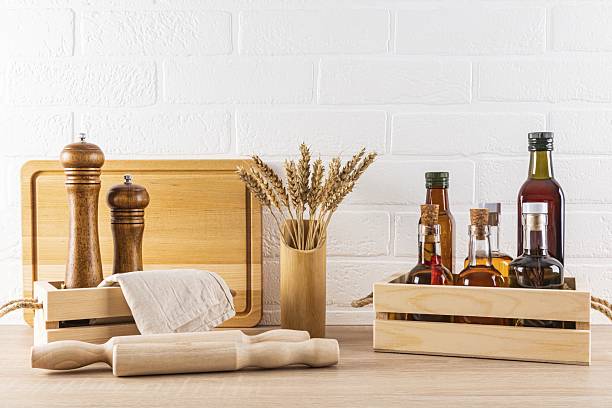
Finally, the CoupleCooking kitchen benefits immensely from tools that celebrate the shared experience itself. A durable, attractive apron for each person marks the transition into collaborative mode and protects clothing with a touch of style. A practical yet elegant pepper mill and a cruet for good olive oil invite mutual participation in the final seasoning, a last collaborative act before eating. Ultimately, the most essential tools are those that reflect the couple’s culinary personality, whether that is a pasta maker for Sunday projects, a dedicated cocktail shaker for pre-dinner drinks, or a beautiful serving platter for presenting the fruits of their joint labor. In the end, equipping a kitchen for two is about investing in instruments that foster communication, share the load, and turn the everyday act of making dinner into a sustained and nourishing ritual of partnership.