The Art of Harmonious Cooking: Strategies for a Peaceful Kitchen

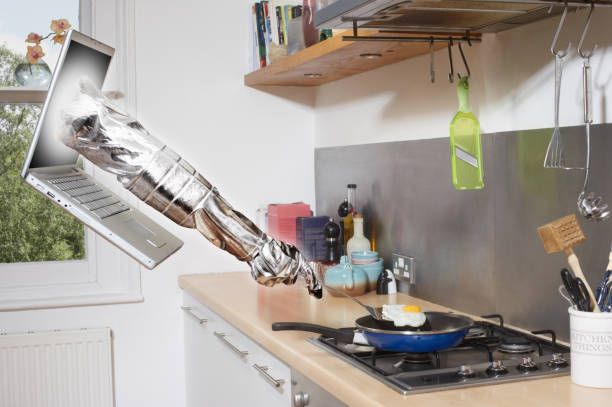
Fundamentally, avoiding conflict begins before a single ingredient is chopped. It starts with planning and establishing clear roles. A vague intention to “cook dinner together” often leads to duplicated efforts, missed steps, and territorial disputes over counter space. Instead, a brief conversation about the menu and a natural delegation of tasks based on skill and preference can set a harmonious tone. One person might focus on prepping vegetables while another handles the protein, creating a parallel workflow rather than a congested one. This simple act of organization acknowledges that the kitchen is a workspace requiring coordination, much like a professional kitchen brigade, albeit on a smaller, more loving scale.
Communication within this workflow must be proactive and kind. The infamous “behind you” call in busy restaurants exists for a reason—it prevents collisions and accidents. Adopting a similar, gentle habit of vocalizing your movements (“coming around you with the hot pot”) fosters spatial awareness and safety. More importantly, communication should frame requests as collaborative rather than critical. Instead of the accusatory “You forgot to mince the garlic,“ a simple “Could you hand me the minced garlic when you have a moment?“ keeps the focus on the shared goal. This linguistic shift from blame to request is a powerful deterrent to defensiveness.
Equally critical is the management of expectations and the embrace of imperfection. Many kitchen arguments stem not from culinary failure, but from the clash between a envisioned perfect meal and the reality of the cooking process. Recognizing that home cooking is an act of nourishment and love, not a Michelin-starred performance, lowers the stakes. If a sauce breaks or a vegetable is overcooked, responding with humor and adaptability—“Well, let’s call it a deconstructed glaze!“—defuses tension. This graceful acceptance of outcomes reinforces that the relationship and the shared experience are more important than flawless execution.
Furthermore, respecting individual styles and knowledge is paramount. People have different approaches to cleanliness, organization, and even knife skills. Insisting on one “right” way is a direct route to conflict. Unless a technique impacts safety or the fundamental chemistry of the dish, allowing for personal method fosters ownership and comfort. Conversely, when guidance is needed, it should be offered as helpful insight rather than a correction. The question “Would you like a tip for peeling ginger faster?“ is always better received than a command.
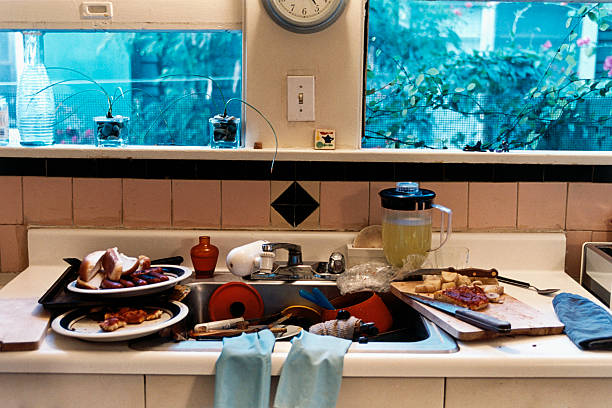
Finally, the atmosphere of the kitchen itself contributes significantly to its peace. A cluttered, chaotic space heightens stress. Maintaining a baseline of order, with clean-as-you-go principles, creates a calmer mental environment. Adding pleasant music, a shared snack to nibble, or a glass of water for the chef can transform the task from a stressful chore into a enjoyable ritual. These small touches signal that the process is valued, not just the end product.
In essence, avoiding arguments in the kitchen is an exercise in mindful collaboration. It requires the foresight to plan, the patience to communicate with generosity, the wisdom to prioritize people over perfection, and the respect to honor different contributions. By intentionally fostering these values, the kitchen sheds its potential for conflict and reclaims its true purpose: a place of creation, connection, and shared sustenance, where the only thing that should come to a boil is the pot on the stove.