The Art of Equitable Kitchen Labor: Moving Beyond Chore Charts

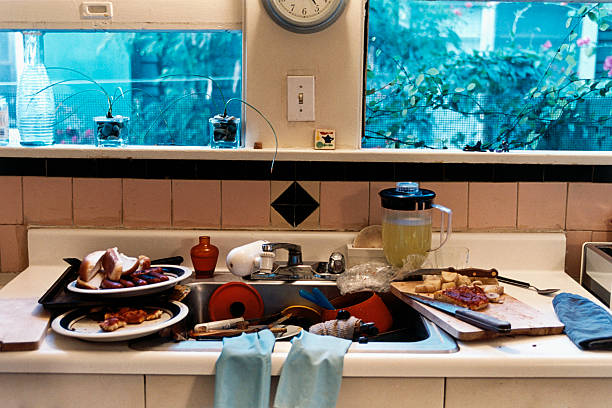
Fairness starts with a comprehensive and honest audit of all that kitchen maintenance entails. This goes far beyond the obvious duties of washing dishes or taking out the trash. It includes the mental and logistical labor often overlooked: meal planning, inventory management, noticing when supplies are low, researching recipes, defrosting ingredients, and the constant tidying that prevents chaos. It also encompasses the less frequent but crucial deep-cleaning tasks—scrubbing the oven, descaling the kettle, or cleaning the refrigerator coils. Acknowledging this full spectrum is the first step toward a fair distribution, as it prevents the common pitfall where one person handles the visible tasks while another shoulders the invisible planning.
With this holistic view in mind, the most effective systems are built on ongoing dialogue rather than a rigid, imposed roster. A successful conversation considers individual preferences, skills, and schedules. Someone who enjoys cooking and finds it therapeutic may happily take on more meal preparation, while another who detests it but doesn’t mind detailed cleaning could handle post-meal sanitation. Schedules are equally critical; the person who leaves for work at dawn cannot be reasonably assigned to make the morning coffee, just as the night owl might naturally assume the role of ensuring the kitchen is reset before bed. Fairness here is contextual, adapting to the realities of each person’s daily life rather than forcing an arbitrary fifty-fifty split that may be impractical.
Another cornerstone of equitable sharing is rotation and variety. Even with considered preferences, being perpetually assigned the same task—forever scrubbing pots or always grocery shopping—leads to resentment and a sense of being stuck. A system that allows for periodic swapping, perhaps weekly or monthly, ensures everyone develops a full appreciation for the workload and prevents skill stagnation. This rotation also builds empathy; the person who rarely cooks gains an understanding of the effort involved, and the regular cook learns the challenge of leaving a pristine workspace for others. This shared experience of all kitchen roles fosters a collective responsibility for the space.
Ultimately, the fairest systems are underpinned by a culture of proactive contribution and gratitude. This moves the dynamic from transactional chore completion—“I did my task, now you do yours”—to a collaborative mindset where individuals act because they care for the shared environment and each other. It is the practice of wiping down a counter you didn’t dirty, refilling the paper towel roll without being asked, or spontaneously starting a load of dishes because you notice they’re piling up. This spirit is nurtured when contributions are regularly acknowledged. A simple “thank you for cleaning the stove” or “the meal you planned was fantastic” validates effort and reinforces positive behavior, making the shared labor feel like a partnership rather than a penalty.
In the end, splitting kitchen tasks fairly is a continuous practice, not a one-time solution. It requires patience, regular check-ins to adjust what isn’t working, and a commitment to equity over mere equality. By combining open communication, consideration of circumstances, task rotation, and a foundation of mutual respect, the kitchen can transform from a potential battleground of resentment into a truly communal space. The goal is not a perfectly balanced chore chart, but a harmonious home where the labor of care is willingly shared, allowing the kitchen to fulfill its highest purpose: a place of nourishment and connection for all.