The Art of Effortless Cleanup: Strategies for a Tidy Home
The journey toward effortless cleanup begins with a critical eye on our possessions. A surplus of belongings inherently creates more surfaces to dust, more items to put away, and more visual clutter that makes any space feel disordered. By mindfully reducing what we own—adopting a mindset of quality over quantity and regularly editing our belongings—we dramatically decrease the workload. Each item should have a designated and logical home, making it intuitive to return things where they belong. When every object has a place, the act of tidying up becomes a simple matter of restoration rather than a complex puzzle. This principle extends to open surfaces; keeping countertops, tables, and floors clear by default makes them easier to wipe and creates an immediate impression of order, even if a quick five-minute tidy is all that is possible.
The second pillar involves dismantling the very concept of “cleaning day” and replacing it with micro-routines woven into the fabric of our days. The goal is to never allow messes to reach a critical mass that requires significant time and energy to address. This means adopting habits like the “one-touch rule,“ where you handle an item only once by dealing with it immediately—putting mail in a recycling bin or filing system, hanging up a coat, or loading a dish directly into the dishwasher. Similarly, the “ten-minute tidy” at the end of each evening, where the household resets the main living areas, prevents disorder from compounding overnight. These small, consistent actions are far less burdensome than facing a week’s worth of accumulated chaos. They transform cleanup from a scheduled event into a gentle, ongoing rhythm.
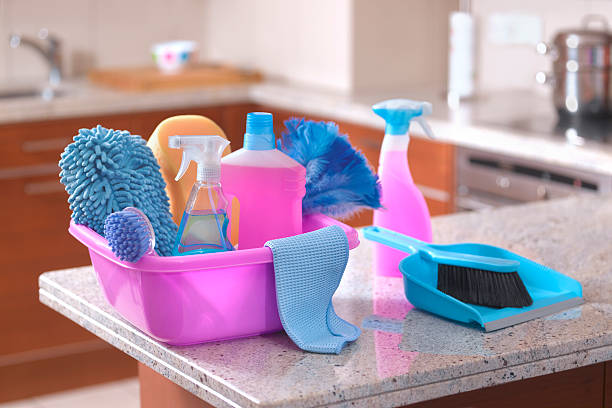
Finally, readiness is about equipping your space for success. Strategic accessibility is key; storing cleaning supplies exactly where they are used means you can address a spill in the kitchen or a smudge on the bathroom mirror instantly, without the friction of searching under sinks. Investing in a few high-quality, multi-purpose tools—a powerful cordless vacuum, effective microfiber cloths, a concentrated all-surface cleaner—removes the guesswork and physical strain. Furthermore, designing your space to be easy to clean is a profound strategy. Choosing washable slipcovers, easy-to-clean flooring, and ample, organized storage all serve to reduce resistance. When the barriers to cleaning are low, the likelihood of doing it increases exponentially.
Ultimately, keeping cleanup super easy is a holistic practice of intentional living. It is about creating an environment that supports order through thoughtful curation, habitual maintenance, and practical design. This approach liberates us from the cycle of clutter and deep-clean exhaustion, replacing it with a sustainable sense of calm and control. The clean home is no longer a distant destination achieved through strenuous effort, but a natural and effortless state maintained through simple, daily choices. The reward is not just a tidy space, but the gift of time and mental clarity, allowing us to focus our energy on what truly matters in our lives.