The Therapeutic Simmer: How Cooking Melts Away Daily Stress

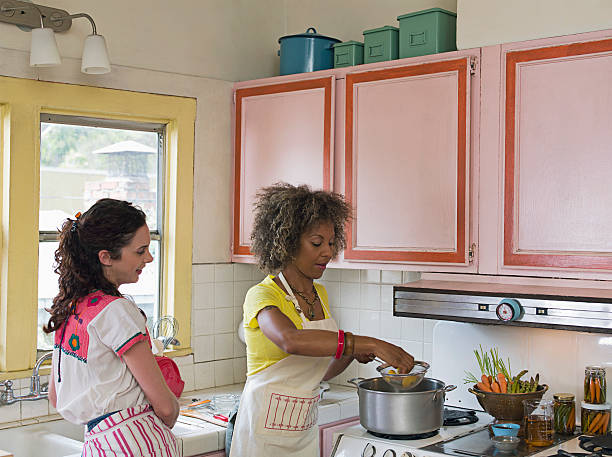
The journey begins with a conscious shift in environment and mindset. Stepping into the kitchen represents a physical and psychological transition from the demands of the outside world into a personal, controlled space. The simple, repetitive motions of washing vegetables, chopping herbs, or kneading dough initiate a form of moving meditation. These rhythmic tasks require just enough focus to draw the mind away from cyclical worries about past conversations or future obligations, anchoring us firmly in the present moment. The tactile sensations—the cool weight of an onion, the gritty texture of sea salt, the smooth curve of a ceramic bowl—engage the senses in a way that abstract digital worlds cannot, grounding us in the here and now.
This mindful engagement is further enhanced by the creative agency cooking provides. After a day of following protocols, managing other people’s expectations, or feeling buffeted by external forces, the kitchen becomes a sanctuary of autonomy. Here, we are the architects. We decide the flavors, adjust the seasoning to our own taste, and choose whether to follow a recipe precisely or improvise freely. This act of creation, of transforming raw ingredients into something cohesive and delicious, fosters a profound sense of competence and accomplishment. Unlike many tasks in a knowledge-based economy, cooking yields tangible, immediate results. The satisfaction of pulling a golden-brown casserole from the oven or plating a beautifully arranged salad provides a concrete reward that counteracts the often intangible stressors of the day.
Moreover, cooking engages us in a positive, future-oriented narrative. It is an act of care, whether for oneself, for family, or for friends. The process of preparing nourishment shifts our focus from our own internal pressures to a nurturing, productive outcome. The aromas that begin to waft from the stove—garlic sizzling in olive oil, spices toasting, bread baking—act as powerful olfactory therapy, stimulating memories of comfort and safety while building anticipation for a pleasurable meal to come. This sensory journey creates a buffer zone between the stress of the workday and the peace of the evening, allowing anxieties to dissipate like steam from a pot.
Finally, the act of cooking naturally cultivates patience and acceptance, virtues often strained by daily pressures. A sauce must simmer to develop depth; dough needs time to rise; flavors in a stew marry slowly. In a world accustomed to instant gratification, cooking teaches the gentle lesson that some of the best things cannot be rushed. It also offers lessons in graceful adaptation—a cracked yolk or an over-zealous pinch of chili can become a happy accident, encouraging flexibility and a lighter perspective on minor imperfections.
In essence, cooking is far more than a means to an end. It is a holistic practice that soothes the mind through mindful action, empowers the spirit through creation, delights the senses, and nurtures the body. It transforms the kitchen from a site of obligation into a workshop for well-being, where the simple, ancient alchemy of combining heat, ingredients, and attention provides a deeply satisfying recipe for unwinding. In the measured pour of oil, the steady rhythm of a knife, and the patient wait for a pot to boil, we find a quiet counterpoint to the day’s chaos, simmering our stress away one meal at a time.