Simple Strategies to Streamline Your Clean-Up Routine
The foundation of easier clean-up is, paradoxically, to own less. Excess possessions are the primary source of clutter, which is the precursor to mess. Adopting a more intentional mindset about what we bring into our homes creates less to manage, organize, and clean in the first place. This does not mean living an austere, minimalist life, but rather regularly curating our belongings so that what remains is truly useful or joyful. When every item has a designated home, the act of putting things away becomes straightforward, preventing the accumulation of random piles that later require a major sorting project. The principle of “one in, one out” can be a simple yet powerful rule to maintain this equilibrium effortlessly.
Beyond possession reduction, strategic design plays a crucial role. We can design our spaces to work for us, not against us. This means placing trash and recycling bins in every room, ensuring they are attractive and accessible. It involves using drawer organizers, shelf dividers, and clear containers so that putting items away is as easy as finding them. In high-mess areas like the kitchen or entryway, consider surfaces and materials. A washable mat by the door traps dirt, and a wipe-clean kitchen backsplash saves time. The goal is to create a home where maintenance is built into the environment, reducing the friction between making a mess and resolving it.
The most transformative strategy, however, is the adoption of the “clean as you go” philosophy. This is the habit of dealing with small messes immediately, rather than letting them compound. It is rinsing a dish and placing it directly into the dishwasher instead of leaving it in the sink. It is wiping the bathroom counter after brushing your teeth or filing a document right after using it. These actions take mere seconds but collectively prevent the overwhelming “cleaning day” scenario. This mindset extends to nightly reset rituals—spending ten minutes before bed returning items to their homes, straightening cushions, and ensuring the kitchen is tidy. Waking up to an ordered space makes the entire day feel more manageable and reduces the psychological burden of a looming clean-up.
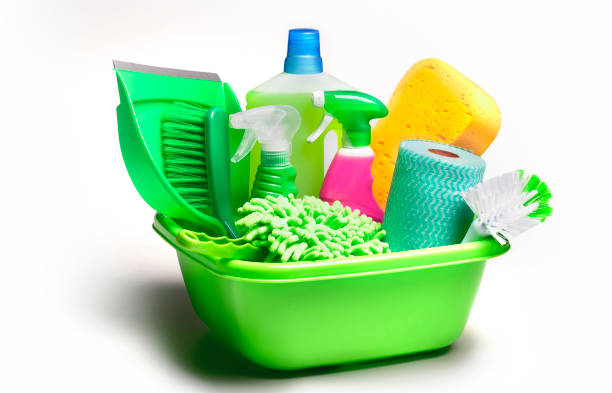
Technology and tools, when chosen wisely, can also be powerful allies. Investing in a quality cordless vacuum makes it easy to quickly address crumbs and pet hair without the hassle of cords and plugs. Concentrated cleaning products that multitask reduce the number of bottles under the sink. Even simple tools like microfiber cloths, which clean effectively with just water, streamline the process. The objective is to remove barriers; if your mop is heavy and difficult to wring, you will avoid mopping. Find tools that you enjoy using, as this small pleasure can motivate action.
Ultimately, making clean-up easier is about redefining it as an ongoing practice of care rather than a periodic punishment. It is a series of small, consistent choices that honor our space and our time. By reducing clutter, designing for simplicity, adopting proactive habits, and using efficient tools, we dismantle the dread associated with cleaning. The result is not just a cleaner home, but a calmer mind, freeing up energy and time for the pursuits that truly enrich our lives. A manageable environment is within reach, built not on effort alone, but on intelligent, sustainable systems.