Simple Secrets to Elevate Your Everyday Soup
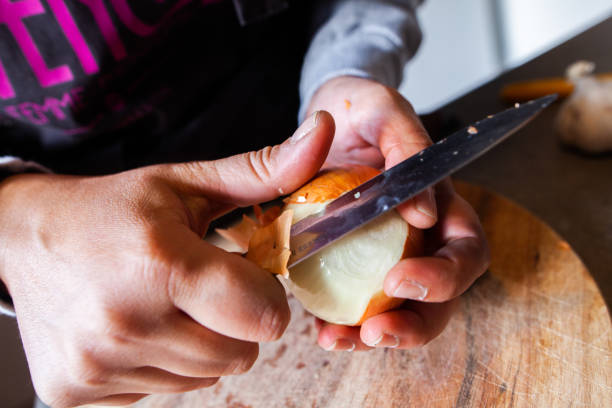
It begins, as all great cooking does, with the foundation. A truly special soup is built on a deeply flavorful base. Instead of reaching for plain water, consider using a rich homemade stock, or elevate a store-bought version by simmering it with a handful of aromatics—a chopped onion, a few celery stalks, a carrot, and a parsley stem—for twenty minutes before straining. This simple step infuses the liquid with a complexity that forms the backbone of every spoonful. Similarly, do not underestimate the power of properly sautéing your vegetables until they are fragrant and just beginning to caramelize before adding your liquid. This foundational care, though quiet and unseen, is the first and most crucial secret to a soup that tastes considered and complete.
While the simmering pot works its magic, turn your attention to the finishing elements. This is where texture becomes your greatest ally. A monotonously soft bowl can be instantly enlivened with a contrasting crunch. Consider a sprinkle of toasted nuts or seeds, such as pumpkin seeds or slivered almonds. Homemade croutons, crisped in olive oil with a pinch of herbs, add a delightful richness. For creamy soups, a delicate topping of fried shallots or leeks provides a savory, crisp counterpoint. These textural surprises keep each bite interesting and demonstrate a level of attention that makes the eater feel valued.
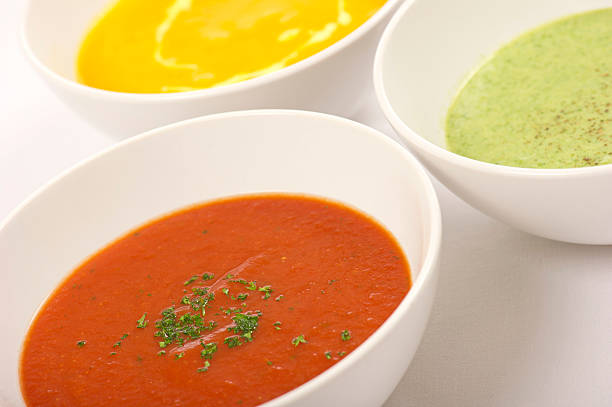
The final flourish is the garnish, which should be treated not as an afterthought, but as a mandatory component of the dish. A vibrant, fresh herb scattered across the surface—think dill on potato leek, cilantro on tortilla, or basil on tomato—adds a burst of color and a bright, aromatic note that cuts through richness. A drizzle of a high-quality finishing oil, a swirl of cream or yogurt, or a squeeze of citrus juice just before serving can balance and heighten all the existing flavors. For heartier soups, a spoonful of a prepared condiment like pesto, chimichurri, or even a spicy harissa can create a beautiful, flavorful swirl for the diner to explore. These elements add visual drama and a final layer of taste that signals the soup’s completion.
Presentation, often overlooked, is a powerful tool in making a meal feel special. Serve your soup in a beautiful, warm bowl. The warmth ensures the soup stays hot longer, and the vessel itself contributes to the aesthetic pleasure. Consider the accompaniments: a warmed, crusty loaf of artisanal bread with good butter, or a carefully composed side salad with a tangy vinaigrette. These pairings frame the soup as the centerpiece of a meal. Even the act of serving can be part of the ritual—ladling the soup at the table rather than in the kitchen adds a touch of ceremony and care.
Ultimately, making soup feel special is an exercise in mindfulness. It is about going one small step beyond the basic recipe to engage the senses with texture, color, and layered flavor. It is the toast on the seeds, the fresh green herbs, the warm bowl, and the shared loaf of bread. These easy, intentional gestures transform a simple, nourishing staple into a gesture of comfort and creativity, a bowl that says it was made not just to feed, but to delight.