The Kitchen Table: How Cooking Together Fosters Deeper Connection
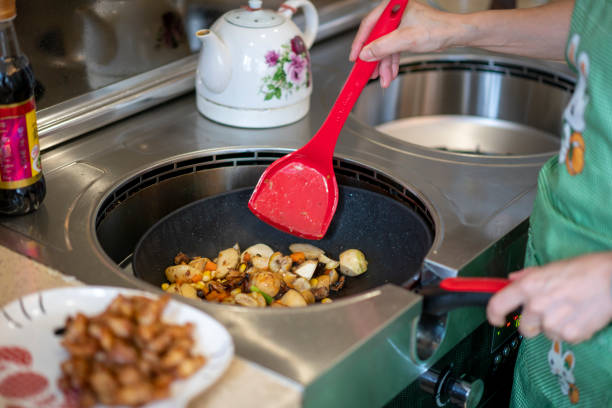
The kitchen environment itself sets the stage for interaction in a way few other spaces can. Unlike the passive consumption of entertainment, cooking is a goal-oriented, multi-sensory activity that requires cooperation. It naturally erodes the formal stiffness of a face-to-face conversation. As individuals chop vegetables, stir a simmering sauce, or set the table, their focus is partially on the task, alleviating the pressure of constant eye contact and manufactured dialogue. This “side-by-side” engagement, a concept noted by sociologists, allows for a more organic flow of talk. Conversations meander like the scent of herbs—discussing the recipe can lead to memories of a grandmother’s kitchen, which can spiral into stories of family history, personal hopes, or lighthearted debates over culinary preferences. The shared mission of creating a meal provides a comfortable rhythm of quiet concentration and spontaneous chat, building a unique intimacy.
Furthermore, cooking is an exercise in vulnerability and trust, which are cornerstones of deep connection. Inviting someone into your kitchen to cook is to share your tastes, your mistakes (the burnt edge of a pie), and your personal traditions. Following a recipe together demands communication, delegation, and patience—skills directly transferable to any relationship. When we teach someone how to knead dough or properly season a dish, we are not just transferring knowledge; we are saying, “This part of my world is important to me, and I want to share it with you.“ This act of giving and receiving fosters appreciation and mutual respect. The process becomes a metaphor for the relationship itself: it requires attention, care, and the blending of individual contributions to create something greater than the sum of its parts.
The culminating act of sharing the meal solidifies the connection forged during its preparation. Sitting down to eat something you have made together transforms the food into a tangible symbol of your shared effort and time. The conversation at the table is inevitably enriched by the collective journey that brought the meal there. There is a inherent pride and joy in the offering, a breaking of bread that has been a ritual of community for millennia. In a world where takeout meals are often eaten separately or in front of screens, a homemade meal demands a pause, a gathering, and a focus on the people present. It creates a designated, device-free zone where the primary entertainment is each other’s company, sustained by the literal fruits of your collaboration.
Ultimately, cooking is a powerful catalyst for connection because it engages us holistically—our hands, our senses, our memories, and our need to nurture and be nurtured. It provides a collaborative project with a delicious, immediate reward, lowering social guards and fostering a space for authentic interaction. It turns abstract quality time into something concrete and flavorful. From the quiet companionship of a weekday dinner prep to the lively chaos of a group feast, the kitchen remains one of our most potent workshops for human connection. In the end, the question is not merely whether cooking can help us talk more, but whether we can afford to overlook such a nourishing, accessible, and joyful path to understanding one another.