Simple and Satisfying Recipes for Couples New to the Kitchen
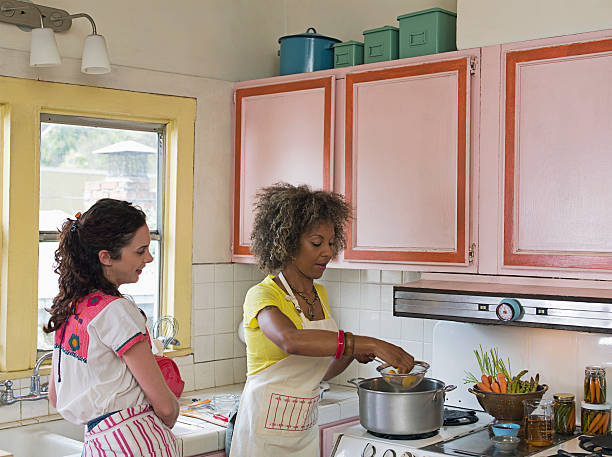
One-pan or sheet-pan dinners are a quintessential starting point for a reason. They minimize cleanup—a frequent point of contention—and visually organize the cooking process. A recipe for roasted chicken thighs with potatoes and seasonal vegetables, for instance, provides a perfect canvas for collaboration. One partner can focus on chopping the vegetables and potatoes, while the other prepares the chicken, perhaps seasoning it with a simple blend of herbs, salt, and pepper. The act of arranging everything on a single tray, drizzling it with oil, and placing it in the oven is a joint effort. The magic happens hands-off in the oven, allowing the couple to share a glass of wine, set the table, and anticipate the meal together. The forgiving nature of roasting, where slight variations in chop size or cook time rarely lead to disaster, builds confidence.
Similarly, hearty soups and stews are excellent beginner-friendly projects. These dishes are inherently collaborative and narrative; they unfold in stages. One person can sauté the aromatic base of onions, garlic, and celery, while the other measures broth and prepares additional ingredients like carrots or beans. The process is slow and forgiving, allowing for conversation and tasting along the way. A simple chili or a rustic minestrone encourages improvisation and shared decision-making—perhaps debating whether to add an extra pinch of paprika or a dash more tomato paste. The long, simmering cook time fills the home with inviting aromas and creates a sense of shared accomplishment. Most importantly, these dishes often taste even better as leftovers, providing a rewarding reminder of the successful teamwork for the next day’s lunch.
Interactive, assembly-style meals are another superb category, as they deconstruct the pressure of perfect timing. Building your own tacos, grain bowls, or personal pizzas turns cooking into a playful, creative activity. One partner can cook a simple component, like seasoned ground turkey or quinoa, while the other prepares an array of toppings: diced tomatoes, shredded lettuce, grated cheese, sliced avocados, and a simple lime crema. With the core elements prepared, assembly is personal and pressure-free. This format celebrates individual preferences within a shared framework, ensuring both people get exactly what they want from the meal. It transforms dinner into a customizable event, where the process of choosing and combining is as enjoyable as the eating.
Ultimately, the very best recipes for a couple beginning their kitchen adventures are those that prioritize the experience over extravagant results. They should have clear, manageable steps that allow for natural division of labor, whether one prefers the precision of chopping and measuring while the other enjoys the sensory engagement of sautéing and seasoning. Dishes that require a bit of waiting—whether for dough to rise, a stew to simmer, or a roast to cook—gift the couple with moments of shared anticipation. The goal is not to execute a flawless Michelin-starred plate but to navigate the process together, laugh over a spilled spice, and savor the profound satisfaction of sitting down to a meal crafted by four hands. In this way, cooking becomes more than a chore; it becomes a foundational ritual, a language of care spoken through sizzling pans and shared tastes, building a foundation of cooperation that extends far beyond the kitchen walls.