The Simmering Secret: Why Oven Mitts Matter More to Couples Than You Think
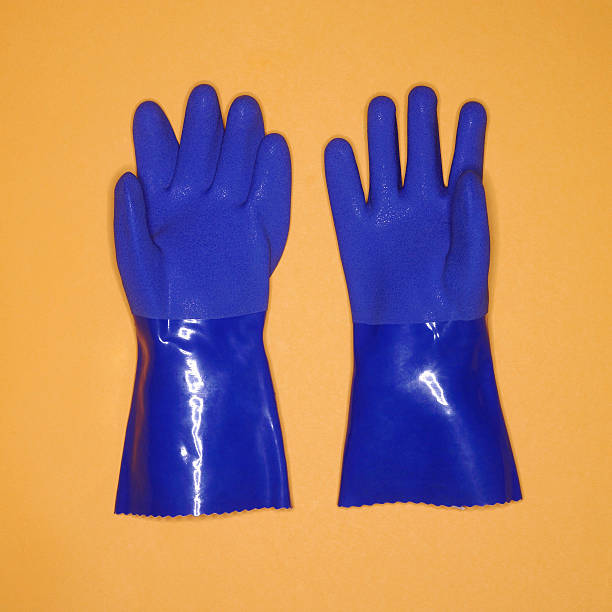
Fundamentally, oven mitts are a tool of shared safety and mutual protection. A kitchen, while a heart of the home, is a landscape of minor perils—searing hot handles, bubbling splatters, and blistering baking sheets. When a couple equips their kitchen with a functional pair of mitts, it is a silent pact to look out for one another’s physical well-being. It is one partner reminding the other, “That’s hot, use the mitt,” not as a nag, but as an instinctive gesture of care. This transcends the kitchen; it establishes a pattern of vigilance and consideration that permeates other aspects of life. The mitt becomes an artifact of a protective instinct, a small but daily reinforcement that your partner’s safety is a priority. Conversely, a missing or tattered mitt can lead to a yelp of pain, a moment of unnecessary stress that could have been easily avoided with a little forethought—a minor incident that, in strained moments, can feel symbolically larger.
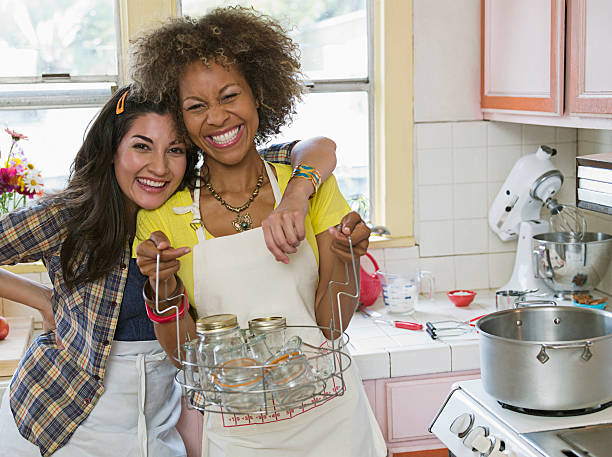
On a practical level, the presence, quality, and state of oven mitts reflect the often-unspoken logistics of running a household. A single, frayed mitt languishing by the stove suggests a space where domestic duties may be unclear or unequally shouldered. A well-chosen, heat-resistant pair, perhaps even two pairs, indicates a collaborative approach to domestic life. It speaks to planning, shared investment in the home’s tools, and an understanding that both individuals participate in the labor that creates a meal. The act of purchasing them together, or one partner thoughtfully replacing a worn-out set, is a micro-investment in the partnership’s daily functioning. It is an acknowledgment that comfort and efficiency in shared spaces matter, that the quality of small tools impacts the quality of shared experiences, like enjoying a home-cooked meal.
Perhaps most intriguing is the oven mitt’s role as a silent communicator and a boundary-respecter in the intimate, sometimes chaotic, space of the kitchen. During the intricate ballet of preparing a meal together, the oven mitt is a tool of non-verbal coordination. One partner, mitts on, handles the hot dish from the oven, while the other prepares the trivet on the table. It facilitates a seamless, safe handoff, a physical manifestation of teamwork. Furthermore, it respects personal agency. Grabbing a hot pan bare-handed because your partner is using the only mitt is an act of impatience; waiting for the mitt or having a second set available is an act of respect for proper process and each other’s turn. It imposes a necessary pause, a moment of patience that prevents collisions and burned fingers—both literal and metaphorical.
Ultimately, oven mitts are not about the objects themselves, but about what they represent: foresight, care, shared responsibility, and safe collaboration. They are a minor but frequent test of a couple’s ability to attend to the mundane details that make a life together smooth and safe. In their absence, small frustrations and preventable hurts can arise. In their presence, they support a harmonious environment where partners can create together, protected from minor burns. For a couple, then, oven mitts are a small but significant stitch in the larger quilt of a relationship. They are a daily reminder that protecting each other, planning together, and respecting shared spaces are not grand, occasional gestures, but practices woven into the very fabric of domestic life, starting with something as simple as safely pulling a casserole from the heat.