Reclaiming the Kitchen: Finding Time to Cook Together in a Busy World
The first, and perhaps most crucial, step is a mental shift: we must stop viewing cooking together as an all-or-nothing event requiring a free weekend afternoon. This daunting standard guarantees failure. Instead, we can embrace the concept of micro-cooking sessions. A full gourmet dinner is not the only valid goal. The shared act of scrambling eggs for a quick breakfast, assembling sandwiches for the next day’s lunch, or simply chopping vegetables for a weeknight stir-fry while talking about the day all qualify as cooking together. These fifteen-minute intersections are often more attainable and less stressful than grand culinary plans, and they accumulate into meaningful, shared time.
Success hinges on strategic integration, not addition. This means weaving collaborative cooking into the existing framework of our lives through deliberate planning. It begins with a shared calendar session to identify not empty evenings, but protectable ones. Choosing one or two weeknights as designated “no takeout” nights creates a non-negotiable container for the activity. The subsequent step is joint meal planning for those nights, a collaborative act in itself that builds anticipation. Selecting recipes that are simple, familiar, and genuinely enjoyable removes the barrier of complexity. Furthermore, embracing tools like grocery delivery services eliminates the time-consuming task of shopping, ensuring the ingredients are ready when you are.
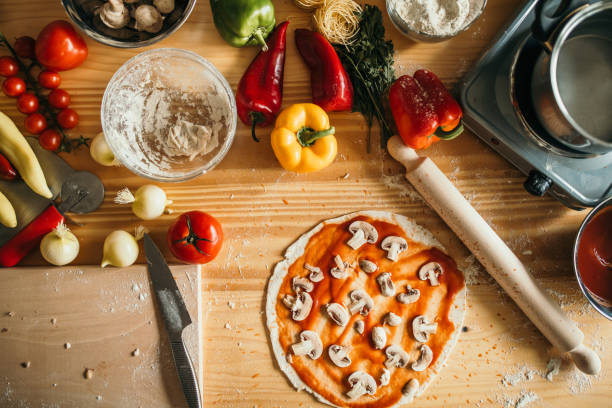
Efficiency within the kitchen itself is the engine that makes the plan sustainable. This is where the true spirit of “together” shines—not in parallel cooking, but in interconnected roles. Adopting a mise en place approach, where all ingredients are prepped before cooking begins, naturally creates distinct tasks: one person can wash and chop while another measures spices and gathers pans. This division of labor turns potential chaos into a smooth, conversational assembly line. It is also vital to embrace appliances that buy back time. A slow cooker or an Instant Pot can be a busy household’s greatest ally, allowing ingredients to be combined quickly in the morning or after work, with the machine handling the long cooking process, freeing you to share a drink and conversation while the meal finishes.
Ultimately, finding time to cook together is an act of prioritizing connection over convenience. It is a conscious choice to value the process—the laughter over a misshapen dumpling, the quiet companionship of stirring a pot, the shared pride in a simple, homemade meal—as much as the product on the plate. It requires letting go of perfectionism and embracing the messiness of both the kitchen and our schedules. By redefining what cooking together means, strategically planning for it, and working efficiently side-by-side, we can reclaim the kitchen table. In doing so, we nourish more than our bodies; we nourish our relationships, carving out islands of shared humanity in the swift current of our days.