Navigating Diverse Diets and Tastes: A Recipe for Harmony
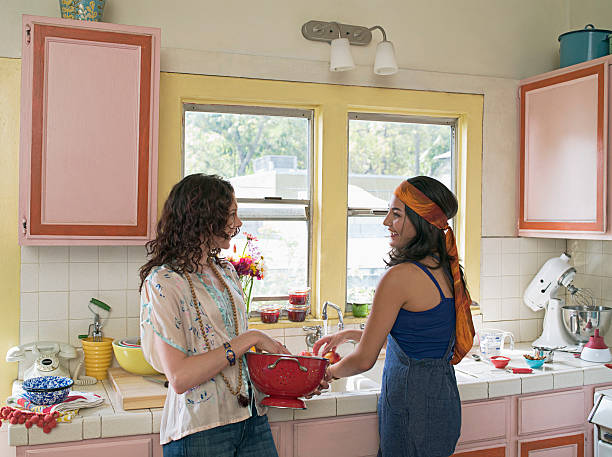
The foundational step is open and empathetic communication, free from judgment. Dietary choices are deeply personal, intertwined with health, ethics, religion, culture, and memory. Dismissing a preference as a fad or an aversion as pickiness builds resentment. Instead, we should create a space where individuals feel comfortable expressing their needs. This involves asking respectful questions and actively listening to the answers. Understanding that a gluten-free requirement is medical, a halal diet is religious, or a dislike of cilantro is genetic, transforms the “demand” into a simple fact to be accommodated. This dialogue must be ongoing, as needs and tastes evolve, and it sets the stage for all practical solutions.
With understanding established, practical strategies in the kitchen become acts of consideration rather than chores. The most effective approach is often modularity. Instead of preparing a single, monolithic dish that may exclude some, focus on building meals from components. A taco or grain bowl bar is a perfect example: offer a base, various proteins (including plant-based), an array of vegetables, and assorted toppings and sauces. This allows everyone to assemble a plate that aligns with their tastes and dietary rules. Similarly, when cooking shared dishes, consider deconstructing them. Serve the sauce on the side, keep spices mild and offer hot sauce, or prepare a stew but leave the pasta or bread separate. This method empowers individual choice without requiring the cook to prepare multiple entirely separate meals.
Furthermore, embracing diversity can be a gateway to expanding our own culinary horizons. The presence of someone with different dietary needs invites us to experiment with ingredients and cuisines we might otherwise never try. That vegan guest might inspire you to master the art of roasting cauliflower or blending a creamy soup with cashews. A gluten-free diet can lead to discovering the nutty flavor of quinoa or the versatility of chickpea flour. This turns a potential limitation into a shared adventure, where meals become opportunities for discovery and education. It encourages a mindset where the question shifts from “What can’t we eat?“ to “What new things can we try together?“
Of course, there will be times when separate meals are the most practical or respectful option, especially for significant dietary restrictions or strong aversions. In these instances, the key is to still share the experience of the table. The act of eating together—even if the plates look different—maintains the social and communal heart of the meal. The focus becomes the conversation, the laughter, and the shared time, rather than solely the uniformity of the food. Rotating who chooses the cuisine or who cooks can also ensure that over time, everyone feels their preferences are valued and celebrated.
Ultimately, navigating different diets and tastes is less about food logistics and more about the values we choose to prioritize: respect over rigidity, creativity over convenience, and inclusion over isolation. By communicating with empathy, designing meals flexibly, and viewing differences as opportunities for exploration, we do more than simply feed everyone. We build a culture of consideration and care, proving that a table set with diverse offerings can be the most nourishing and unifying space of all.