Mastering the Art of an Organized Kitchen Station
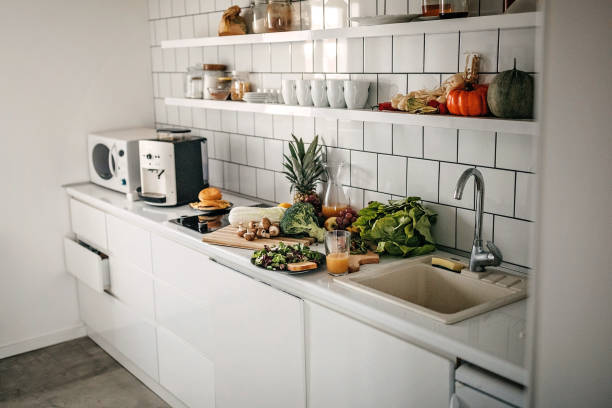
It begins, unequivocally, before a single ingredient is chopped. This foundational step, the mise en place, is the single most powerful antidote to chaos. Translating to “everything in its place,“ it involves meticulously measuring spices, washing and chopping vegetables, and preparing proteins before heat is ever applied to the pan. This ritual transforms cooking from a frantic scavenger hunt into a deliberate assembly. With ingredients neatly arranged in small bowls or on a tray, the cook’s mind is freed to focus on technique and timing rather than frantic searching. This pre-emptive organization creates a psychological calm, establishing a rhythm that naturally discourages clutter from accumulating in the first place.
Equally critical is the intelligent organization of the workspace itself. A cooking station should be a tailored ecosystem, organized intuitively around the sequence of events. Essential tools like spatulas, spoons, and tongs should reside within arm’s reach, perhaps in a crock beside the stove. Trash and compost bowls should be strategically placed on the counter to catch scraps immediately, preventing the dreaded pile of onion skins and carrot tops from migrating across the workspace. Furthermore, adopting the “clean as you go” mentality is non-negotiable. This is the active defense against the creeping tide of disorder. While a sauce reduces, one washes the now-empty measuring cup. In the minutes a pot of water takes to boil, the earlier-used cutting board can be swiftly rinsed. This continuous, almost rhythmic, maintenance prevents tasks from accumulating into a daunting, post-meal mountain. It keeps the station functional throughout the entire process, allowing for safe movement and immediate access to any needed area.
Finally, the physical and sensory environment of the station must be managed. Containment is a crucial principle. Using splatter screens, fitting pots appropriately to burner size, and covering items for microwave use all serve to control messes before they explode across surfaces. Simultaneously, one must be attuned to the station’s sensory output. A sizzling pan is a call to attention, not a background noise; attending to it promptly prevents burning and the more complex cleanup it entails. Likewise, establishing dedicated “landing zones” for hot items, like a trivet or a clear section of counter, prevents the dangerous and chaotic practice of shuffling hot pans onto cluttered or unsuitable surfaces.
Ultimately, keeping a cooking station from chaos is a practice in respectful presence. It is the understanding that the space is a partner in creation, not a passive receptacle. By honoring the process with thorough preparation, maintaining order through mindful action during the cook, and exercising control over the cooking environment, the station remains a place of focused creativity. The reward is not just a pleasant cooking experience, but the profound satisfaction of presenting a meal that emerged from a space of calm command, leaving only the satisfying memories of a meal well-made, and a surprisingly manageable final cleanup. The organized station, therefore, becomes less a chore to manage and more a testament to the cook’s graceful command of their culinary domain.