The Secret Ingredient: Why Cooking Together Strengthens Relationships
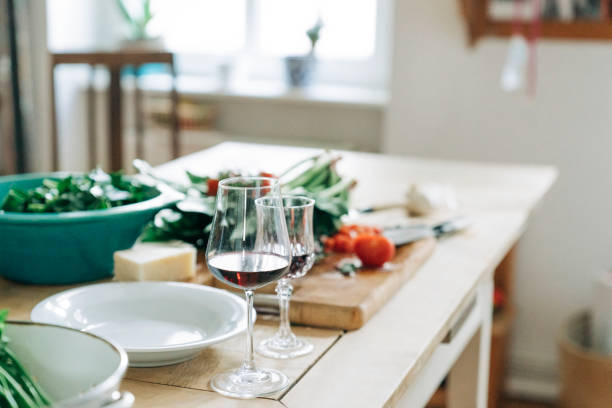
At its core, cooking together is an exercise in non-verbal and practical communication. Unlike a scheduled “date night” conversation that can sometimes feel forced, collaboration in the kitchen requires a natural, ongoing exchange. It involves negotiating roles—who will handle the knife, who will stir the simmering sauce—and communicating needs and timing in real-time. This dance of “behind you” and “is this chopped finely enough?“ fosters a unique form of attunement. Partners learn to read each other’s cues and rhythms, building a silent language of cooperation. Successfully navigating a complex recipe without conflict requires clarity, patience, and mutual respect, translating directly into improved communication skills that benefit all areas of the relationship.
Furthermore, the kitchen becomes a low-stakes training ground for teamwork. A couple working toward the shared, tangible goal of a delicious meal experiences the entire project lifecycle together: planning the menu, dividing tasks, problem-solving when a substitution is needed, and finally, enjoying the fruits of their joint labor. This collaborative achievement builds a sense of being “on the same side,“ a united front against culinary chaos. When a mistake happens—a spilled spice or an over-salted broth—couples have the opportunity to practice grace and support rather than blame. Overcoming these minor adversities together reinforces resilience and the understanding that you are capable partners, a lesson that fortifies the relationship against larger life challenges.
Perhaps the most significant benefit, however, is the cultivation of intimacy and shared joy. Cooking engages the senses—the aroma of garlic sautéing, the vibrant color of fresh herbs, the satisfying sizzle of ingredients meeting the pan. Sharing these sensory experiences creates powerful, positive associations and new memories tied to a specific taste or smell. The act of creating something nourishing for one another is fundamentally an act of care, a tangible expression of love and investment in each other’s well-being. Moreover, the playful experimentation that cooking allows—adding a new ingredient, trying a cuisine from a dreamed-of destination—injects fun and novelty into the relationship, countering the monotony that can seep into long-term partnerships. This shared joy becomes a form of emotional currency, enriching the bond.
Finally, cooking together fosters a culture of shared responsibility and healthy living. It moves food preparation from a chore assigned to one person to a valued, common pursuit. This equitable approach dismantles outdated domestic roles and promotes fairness. Additionally, meals cooked at home are typically more nutritious than those from restaurants or takeout, contributing to the long-term physical health of both partners. The conscious choices made in the kitchen—selecting fresh produce, controlling portions—reflect a joint commitment to a thriving future.
In essence, to cook together is to build together. It transforms a daily necessity into an opportunity for connection, turning measured ingredients into immeasurable relationship benefits. The kitchen, therefore, should not be viewed merely as a room of the house, but as a vital space for relational maintenance. When couples share the whisk and the workload, they do more than make dinner; they craft a stronger, more resilient, and more flavorful partnership, one meal at a time.