Master the Art of Seasoning Together
Forget the timid pinch. To master seasoning, you must engage with it. Start with your core elements: salt, pepper, and acid. Salt is not the enemy; underseasoning is. Its primary job is not to make food taste salty, but to unlock and amplify the inherent flavors already present in your ingredients. Taste your food at every stage. Have one of you season, then have the other taste. Ask, “What does it need?“ This simple act forces communication beyond the superficial. You are not just asking about the soup; you are building a dialogue of perception and preference.
Pepper is heat and fragrance, not just black dust from a shaker. Invest in a good mill and grind it fresh. Smell the difference together. Notice how the aroma changes from dish to dish. Acid—lemon juice, vinegar, a dash of wine—is the secret weapon that most home cooks neglect. It brightens, lifts, and balances richness. When a dish tastes flat or one-note, the answer is often a squeeze of lemon, not more salt. Learn this together. Let one partner adjust the acid while the other tastes, witnessing the transformation in real time. This shared discovery is a micro-lesson in how a small, thoughtful adjustment can solve a larger problem.
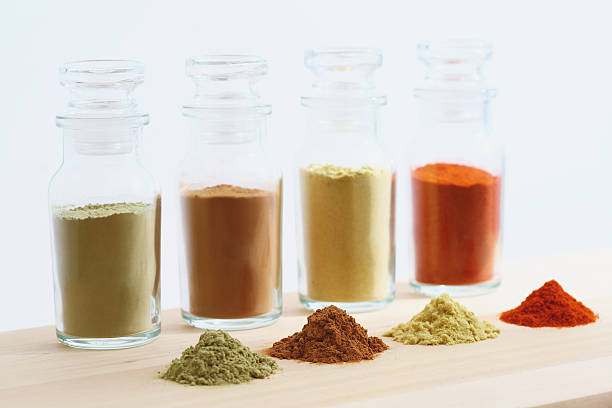
Move beyond the basics as a united front. Toasting whole spices in a dry pan until fragrant is a five-minute ritual that will change your cooking. Do it together. The scent will fill your kitchen, creating a sensory memory anchored to that moment. Grinding those toasted spices with a mortar and pestle requires rhythm and a bit of effort—tasks perfectly suited for taking turns, for sharing the load. In these actions, you are not just making a curry powder; you are practicing coordination and patience.
Herbs are the final, fresh layer. Understand the difference between hardy herbs added during cooking, like rosemary and thyme, and delicate herbs stirred in at the end, like basil and cilantro. Taste a raw herb, then taste it cooked into a sauce. Discuss the change. This is mindful attention, and doing it together turns observation into intimacy. You are literally aligning your senses.
Your greatest tool is your collective taste buds. Seasoning cannot be mastered by recipe alone. It requires tasting, constantly and bravely. Build the habit: one cooks, the other tastes. Then switch. This creates a feedback loop of trust and honesty. You must be vulnerable to say, “It needs more,“ and gracious to receive that note. This is where the emotional intimacy is forged—in the respectful exchange aimed at a common goal: creating something delicious.
Mastering seasoning is a lifelong journey with no final destination. There is always a new spice, a different salt, a novel combination to try. By embarking on this journey as a team, you do more than enhance your meals. You cultivate a shared language of care and attention. You learn to balance, to adjust, to taste with intention. The confidence you build at the stove translates directly to the table and beyond. You are not just seasoning your food; you are seasoning your relationship with the essential elements of trust, communication, and shared joy. Now, taste that.