The Kitchen Table: Where Arguments Simmer and Families Forge Bonds

The kitchen’s inherent nature invites confrontation. It is a place of constant activity and collision. Unlike the formal living room reserved for guests or the private sanctuary of bedrooms, the kitchen is a shared thoroughfare. People are hungry, tired, and in transition. One is washing dishes, another is searching for a snack, a third is trying to focus on homework at the table. In this state of unfiltered, mundane coexistence, guards are down. The simmering frustrations of the day find a natural vent where people are already gathered, already interacting. The argument about forgotten chores or unmet expectations doesn’t happen in the hallway because the kitchen is where we finally stop moving long enough to collide. The very act of preparing food or sharing a meal is intimate and cooperative; when that cooperation breaks down, the conflict feels immediate and personal, underscored by the symbolic breaking of bread.
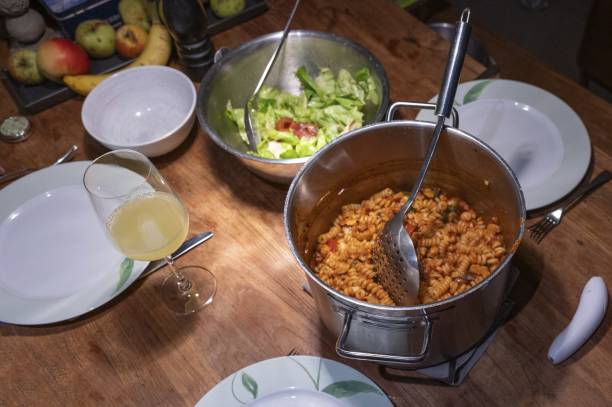
Furthermore, arguing in the kitchen ties our conflicts to the primal language of nourishment and care. A disagreement about finances or schedules at the kitchen table is inextricably linked to the question, “How will we provide?“ A debate over a child’s choices during dinner preparation touches on themes of responsibility, growth, and legacy. The kitchen arguments are rarely about abstract philosophy; they are about the concrete, daily work of sustaining a life together. The spilled milk is literally there, the unpaid bill sits next to the fruit bowl, the curfew is discussed as the pasta boils. This grounds our disputes in reality, preventing them from becoming purely theoretical. The stakes are tangible, and the need for resolution is pressing because life—symbolized by the need to eat and clean—must go on in that very room.
Ultimately, the habit of arguing in the kitchen may signify a hidden strength. It means that even in conflict, we are still showing up at the common table. There is an unspoken commitment to hashing things out in the shared space, rather than retreating to isolated corners to stew in silence. The kitchen offers a chance for resolution that other rooms do not. The act of making a cup of tea for the person you’re arguing with, or the simple necessity of cleaning up together after a heated exchange, provides a non-verbal path back to connection. The argument ends, but the shared responsibility for the space remains, forcing a return to civility and cooperation.
Therefore, if we always argue in the kitchen, we are acknowledging it as the true heart of the household—not a heart that beats only with serene love, but one that pulses with the full, messy spectrum of human relationship. It is the command center where the business of living is negotiated, where passions run as hot as the stove, and where, after the clash of opinions, the simple, healing rituals of a shared meal or a quiet cup of coffee can begin to mend the fractures. The kitchen-table argument, in all its chaotic glory, is a testament to a family’s engagement, a sign that people care enough to fight for their vision of shared life, right in the place where that life is literally sustained. It is where we are most real, and thus where the hard, necessary work of understanding must, and will, take place.