Pick one ingredient and let it star in every course. That’s the whole challenge. You and your partner choose something you both like, such as lemon, tomato, apple, corn, cheese, or mushrooms. Then you build a starter, a main, and a dessert around it. It sounds fancy, but it can be simple. The fun part is seeing how many ways one ingredient can show up. It also gives you a shared puzzle to solve instead of just following two separate recipes.
One star ingredient keeps your shopping easy. You don’t need a cart full of odd items. You need the star, a few basics, and maybe one or two extras. It also keeps your menu focused. Talk about the mood before you shop: warm and cozy, fresh and light, or a little sweet. Write down your three courses in plain words. For example, lemon yogurt with cucumber, lemon chicken with rice, and lemon cake. Keep each course small. Three small courses feel special without making you too full or too tired.
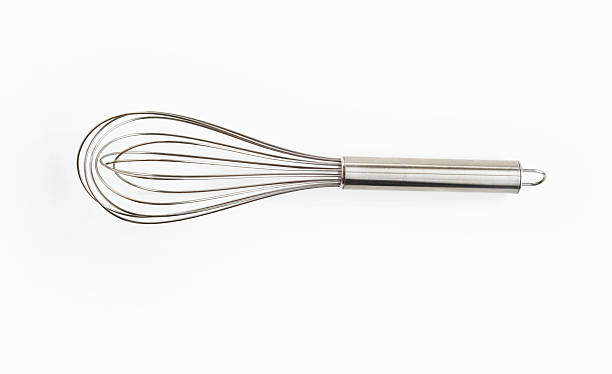
Plan your jobs before you turn on the stove. One person can chop and set out tools. The other can stir and watch the timer. If one of you likes dessert and the other likes the main, trade who leads each course. Read the recipes out loud once. Put out your cutting board, knives, mixing bowls, whisk, and measuring cups. A few good accessories make the challenge smoother. A timer, a big board, and small bowls for prepped food are enough.
For the first course, go light and quick. If your star is tomato, make tomato toast with a little cheese and herbs. If it’s lemon, mix yogurt with lemon juice and serve it with cucumber slices. If it’s apple, try apple slices with cheddar on toasted bread. The first course should not use every pot in the kitchen. You want to start the meal feeling calm, not already behind. Set the table together while this course is almost ready. Light a candle if you have one. Put your phones away.
For the main course, use your star in a sauce, a side, or a topping. Tomato pasta is easy. Lemon chicken with rice is easy. Apple pork chops or apple and bean bake can work. Mushrooms stir-fried with rice is another good choice. Pick a recipe you can mostly handle without checking your phone every minute. Use a timer. Taste as you go, and add salt or a squeeze of lemon if needed. Clean up as you cook. One person can wash while the other stirs. That keeps the end of the night from turning into a big pile of dishes.
Dessert should be simple and shared. You can make lemon yogurt cups, apple slices with cinnamon sugar, or small cheese and tomato tarts. If you want to bake, choose a recipe with few steps. The goal is not a perfect showpiece. The goal is a happy finish. While dessert is in the oven, sit down for a minute. Talk about your favorite bite so far. Laugh about the messy part. Ask your partner what they would change next time.
The real challenge is teamwork, not perfection. If a course comes out late, serve it anyway. If the sauce is too thin, call it a sauce and move on. The best moments often come from small mistakes. You might burn the toast and end up making each other laugh. You might find a new favorite way to use an everyday ingredient. You might also learn that your partner is great at chopping but hates timing the oven.
When you sit down, keep the talk warm. Take turns sharing what you noticed. Was the lemon too strong in the first course? Did the apple make the main taste sweeter? Which course would you make again? This turns dinner into a shared project. You are not just eating. You are building something together. That is where the closeness grows.
Next time, pick a new star ingredient and try again. Keep a small note of what worked. Use the same simple tools. Invite fun, not pressure. One ingredient, three courses, two people, and a little teamwork can turn a normal night into a memory.