The Essential Tools for a Perfect Pizza Night at Home
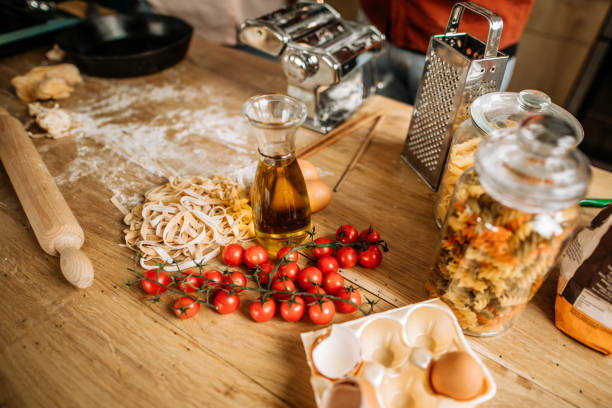
The foundation of any great pizza is, of course, the dough, and its preparation requires only the most basic implements. A large mixing bowl is non-negotiable, providing the vessel for combining flour, water, yeast, and salt. While a stand mixer with a dough hook can save effort, it is a luxury, not a necessity. The simple motion of a wooden spoon or your own hands is more than sufficient to bring the ingredients together. Once mixed, the dough requires a warm, draft-free place to rise, which is where a clean kitchen towel or a piece of plastic wrap becomes essential, draped over the bowl to keep the surface from drying out. For dividing and shaping, a sharp knife or a bench scraper is invaluable for portioning, while a rolling pin can assist, though many purists advocate for the tactile connection of stretching the dough by hand.
When it comes to assembly, a few key items streamline the process. A flat surface, like a clean countertop or a large cutting board, provides the workspace. Here, a tool like a dough docker or fork can be useful for preventing large bubbles in the crust, but again, a simple fork from your drawer accomplishes the same task. For applying sauce, a large spoon or ladle allows for easy spreading, and having a small bowl of olive oil and a pastry brush on hand for lightly coating the crust edges adds a professional touch. The act of transferring an assembled raw pizza to a hot cooking surface is perhaps the most nerve-wracking step, but a simple sheet of parchment paper is the unsung hero. Building the pizza directly on parchment allows for a seamless slide onto a baking stone or sheet, eliminating any catastrophic mid-air flips.
The cooking phase is where the most significant tool consideration lies. While dedicated pizza ovens and baking steels yield incredible results, a standard home oven is perfectly capable. The most impactful upgrade you can make is a pizza stone or an unglazed ceramic tile, which sits in the oven as it preheats, absorbing intense heat and transferring it quickly to the dough for a crisp, blistered crust. If you lack a stone, a heavy, rimless baking sheet or an overturned cast-iron skillet can serve as a decent alternative. For those who prefer a thicker, pan-style pizza, a well-seasoned cast-iron skillet or a standard baking sheet is the perfect vessel, creating a wonderfully crisp, fried bottom crust. A reliable oven mitt and a wide metal spatula, or pizza peel, are crucial for safe retrieval of the hot, finished pie.
Finally, the tools for finishing and serving are delightfully straightforward. A pair of kitchen shears or a large pizza wheel cutter makes dividing the pie into slices a breeze, though a sharp chef’s knife works just as well. A coarse grater for fresh cheese or herbs applied after baking elevates the flavor, and a sturdy cutting board or a simple wooden board serves as the ideal platform for presentation. Ultimately, the most important tools for pizza night are not found in a drawer. They are the patience to let the dough develop its flavor, the creativity to top it with favorite ingredients, and the shared enjoyment of a meal made together. By focusing on these essentials, you free yourself from gadget clutter and center the experience on the simple, timeless joy of making and sharing pizza.