The Sweet Bond: Why Baking Together Strengthens Relationships
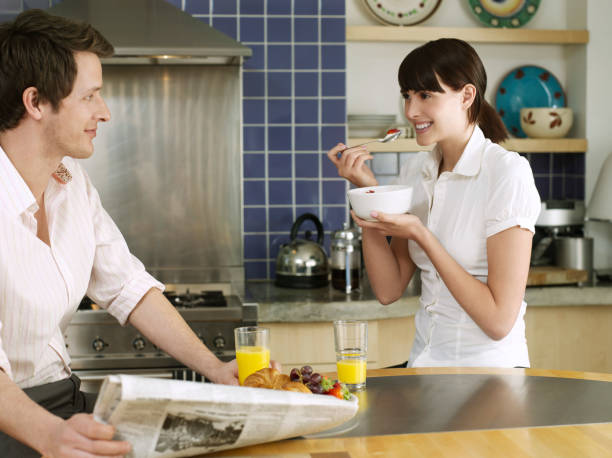
The foundation of baking’s benefit lies in its inherent requirement for cooperation. Unlike cooking a meal, which can often be improvised, baking is a precise science that demands attention to detail, sequential steps, and shared responsibility. A couple must navigate the recipe together, dividing tasks like measuring flour, cracking eggs, or greasing pans. This natural division of labor encourages teamwork and a sense of shared purpose. Success is a joint achievement, and even the occasional collapsed cake or over-salted dough provides a low-stakes opportunity to practice problem-solving and resilience as a unit. There are no bosses or subordinates in the kitchen; there are only partners working toward a common, tangible goal, reinforcing the egalitarian dynamics essential to a healthy partnership.
Furthermore, the kitchen becomes a unique arena for non-verbal communication and learning. Baking requires a sensory awareness—knowing when dough is properly kneaded by its feel, understanding the ribbon stage of beaten eggs and sugar by sight, or recognizing the perfect golden-brown hue by smell. Couples learn to anticipate each other’s movements in a shared space, developing a silent, intuitive rhythm. They also gain insight into each other’s personalities: one partner’s meticulous precision in leveling a cup of flour can complement another’s creative flair for decoration. This process reveals patience, care, and attentiveness in a context outside of typical conversation, building a deeper, more nuanced understanding of one another.
On an emotional level, baking is an act of care and creativity that generates tangible affection. The process is inherently nurturing, often evoking comforting memories of childhood or family. By choosing to invest time and effort into creating something from scratch, couples are essentially crafting a gift for one another. The act becomes a language of love, akin to the concepts popularized by author Gary Chapman. The shared anticipation as the aroma fills the home, and the mutual satisfaction of enjoying the finished product, creates a powerful positive feedback loop. This collaborative creation builds a reservoir of happy, sensory-rich memories that couples can draw upon, associating their partner with warmth, sweetness, and accomplishment.
Importantly, baking together also carves out intentional, device-free time. In an age of constant digital distraction, the kitchen demands focus. Phones are set aside to handle sticky dough or monitor a temperamental oven. This creates a rare bubble of uninterrupted presence where couples can talk, laugh, and simply be together without external pressures. The activity itself provides a natural focus, easing the pressure of forced conversation and allowing companionship to flow organically alongside the task at hand.
Ultimately, while not every couple will possess a natural talent for patisserie, the true value of baking together lies not in the perfection of the pastry but in the quality of the experience. It transforms the domestic space into a workshop for relationship-building, where ingredients like flour and sugar are secondary to the essential elements of patience, communication, and shared joy. The occasional mess or mistake is simply part of the process, making the final product—both the baked good and the strengthened connection—all the more rewarding. Therefore, for couples seeking to mix more harmony into their relationship, preheating the oven and sharing a recipe is undoubtedly a very good idea indeed.