How to Read Any Recipe: A Straightforward Guide for Cooking Together
Begin with the end in mind. Read the entire recipe from title to final note before you do anything else. This is non-negotiable. You are not just looking for what to cook, but understanding the journey. This first read reveals the timeline, flags any unfamiliar techniques, and identifies the “gotchas”—like ingredients that need to chill overnight or a pan that requires preheating for an hour. When you do this together, you’re building a shared mental map. You’re a team reviewing the game plan, ensuring you both understand the goal and the path to get there. This simple step prevents the mid-recipe panic of discovering a crucial marinating step you both missed.
Next, decode the language. Recipe writing has its own shorthand. Terms like “chopped,” “diced,” and “minced” are specific instructions for size, which directly impact cooking time and texture. “Simmer” is not a rolling boil. “Fold” is not the same as stir. If either of you is unsure, look it up together. This isn’t a test; it’s a chance to learn a new skill side-by-side. This collaborative problem-solving—figuring out what “julienne” means or how to “temper” eggs—builds competence and turns a potential frustration into a moment of mutual growth. You become each other’s resource.
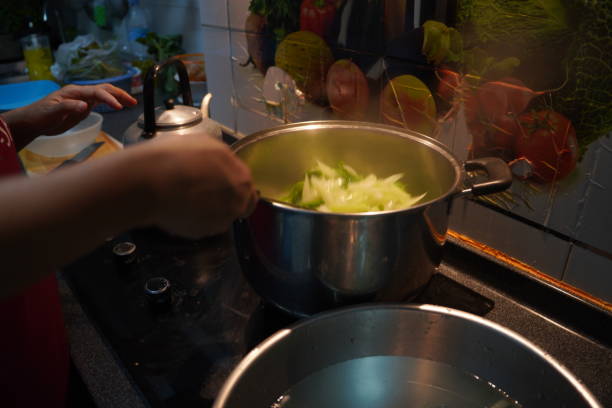
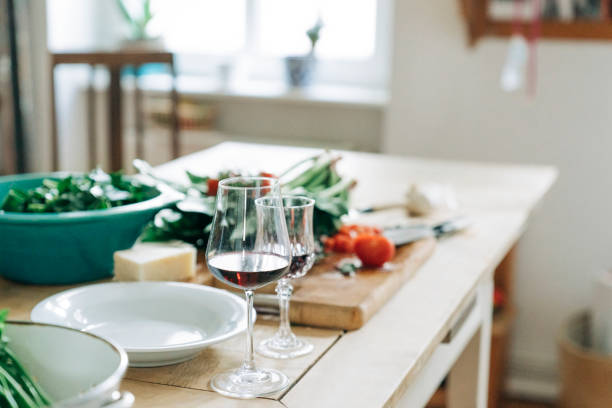
Then, conduct a tactical mise en place. This French term simply means “everything in its place.” Based on your first read, gather all your ingredients, measure them, and prepare them as directed. Chop the onions, measure the spices, soften the butter. Do this together, dividing tasks logically. This transforms the chaotic, time-sensitive cooking phase into a calm, assembly-line process. It also provides a natural checkpoint. As you line up your little bowls and prepped ingredients, you are both visually confirming you have everything. This shared preparation is a quiet, focused ritual of partnership that sets the stage for success.
Finally, understand the sequence. A recipe is a narrative of events. Your initial read should have shown you the flow: browning meat before adding liquid, sautéing aromatics before other vegetables, resting a steak before slicing. As you cook, keep one person as the primary “reader” guiding the sequence, while the other executes tasks, then switch roles for the next recipe. This active listening and clear communication—“I’ve added the wine, it’s reduced by half, ready for the broth”—keeps you in sync. It turns following steps into a continuous conversation, a literal and figurative stirring of the pot together.
Ultimately, reading a recipe well is about respect—for the process, for the food, and for each other’s time and effort. It moves you from reacting to instructions to orchestrating an event. For a couple, this shared methodology is the foundation. The confidence you build by successfully navigating a recipe together, by communicating through each step and celebrating the final result, does more than fill your plates. It reinforces that you are a capable team. The intimacy isn’t just in the romantic dinner you create; it’s forged in the calm, competent collaboration of reading the map correctly and journeying through the kitchen, side-by-side.