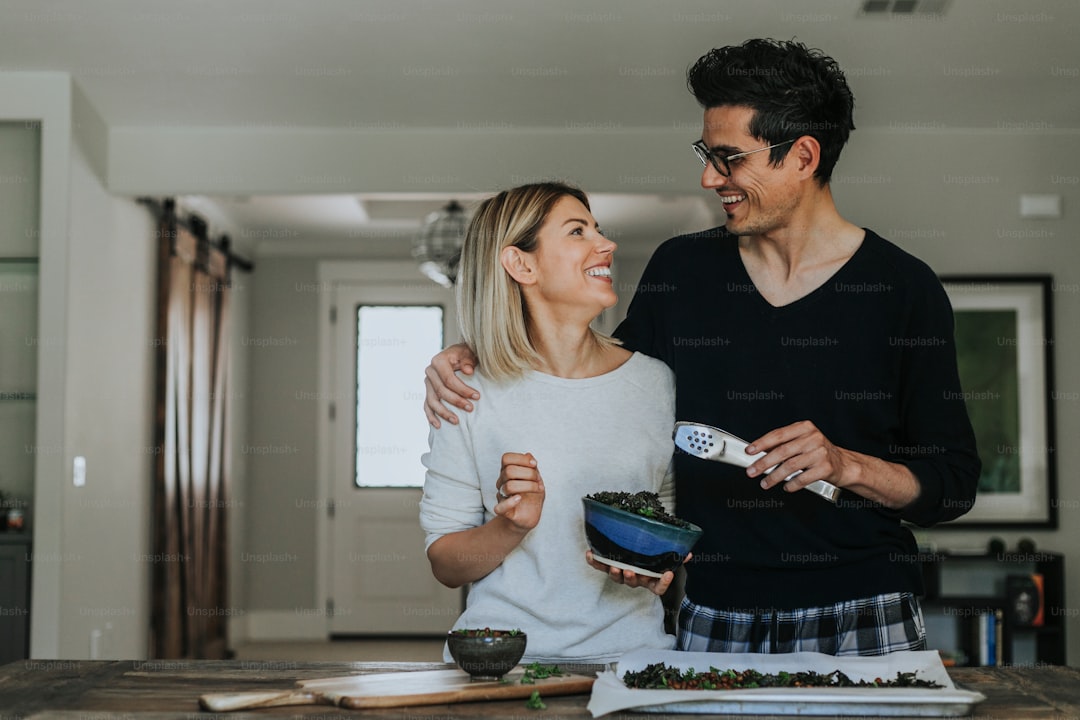
Picking a local couples cooking class can feel like a task with a big payoff. You and your partner get out of the same old kitchen, learn something new, and spend time side by side. The best part is that you don’t need to be a good cook to have a good time. Most classes are built for beginners. People come with different skills, and that is normal. The goal is not to make a perfect dish. The goal is to try, laugh, and enjoy the evening together.
Before you book, talk about what you both want. Some classes focus on one style of food, like Italian, Mexican, or Thai. Others teach a skill, like making pasta from scratch or baking bread. Some are hands-on, and everyone gets their own station. Others are more relaxed, with a teacher showing the steps while couples follow along. Look for a class that matches your energy level after work. If you are tired, a two-hour class with simple steps may feel better than a four-hour marathon. Also check the price, the date, and the location. A class close to home makes the night easier. A class across town can still work, but plan for traffic and parking.
When you find a class that looks fun, read the details. Does the price include food and drinks? Do you need to bring an apron or a knife? Are there any rules about canceling? These small facts can save you a headache later. Read a few reviews, too. You don’t need perfect reviews. You just want to know if the teacher is friendly, the space is clean, and the class runs on time. If you have food allergies or strong dislikes, call or email the business before you book. Good teachers will tell you if they can make changes. It is better to ask early than to sit through a class you can’t enjoy.
On the day of the class, arrive a little early. That gives you time to find the room, meet the teacher, and settle in. Wear comfortable clothes and shoes. You may be standing for a while. Keep your hair tied back if it is long. Leave rings and loose jewelry at home if they might get in the way. Bring a small notebook or use your phone to take notes, but don’t spend the whole night typing. The class is a shared activity, so put your attention on your partner and the food.
During class, divide the jobs. One person can chop while the other stirs. One can read the recipe while the other watches the stove. Talk to each other. Ask questions. If something goes wrong, don’t blame your partner. A dropped spoon or a burned onion is not a big deal. Laugh and move on. The teacher is there to help, so raise your hand if you feel lost. Most classes have a mix of people, and no one is watching you as closely as you think. Relax and enjoy the process.
At the end, sit down and eat what you made. This is the best part. You get to taste the food and talk about what you liked. Maybe you found a new dish to make at home. Maybe you learned that you both love making fresh pasta. Maybe you learned that one of you is better at baking and the other is better at sauces. All of that is useful. Before you leave, ask the teacher for the recipes or check if they will send them by email. Save them in a spot you can find later.
A local couples cooking class is not about becoming a chef in one night. It is about making a memory. You try something new, you work as a team, and you go home with a full stomach and a good story. It can be simple, fun, and worth doing together. Pick a class that fits your budget and your schedule. Go in with an open mind. Wear comfortable shoes. Share the work. Taste the food. Then plan your next night in the kitchen at home. You might find that the class was the start of a new habit you both enjoy.