How Smaller Plates Help You Both Eat Just the Right Amount
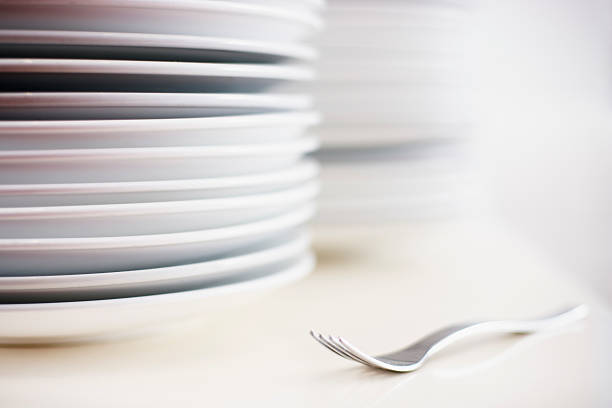
It sounds way too simple, but it works. There’s a cool trick your brain plays on you called the Delboeuf illusion. Basically, if you put a normal serving of food on a big dinner plate, it looks tiny. Your brain goes, “Whoa, that’s not enough, I need more.” But if you take that same exact amount of food and put it on a salad plate or a smaller dinner plate, it looks like a full, satisfying meal. You feel full because your eyes tell your stomach, “Look, we’ve got a plate full of goodness here.” And because you feel satisfied, you don’t go hunting for seconds or snacks right after dinner.
For couples, this little trick is a game changer. Think about it. When you both use the same smaller plates, you’re on the same team. You’re not eating different amounts or feeling like one person is “good” and the other is “being bad.” You’re just both eating a normal, healthy portion that looks like a proper meal. That shared experience makes it feel less like a diet and more like a fun pact you’ve made together. You can even cheer each other on. “Babe, look at my plate – it’s full of veggies and chicken and it looks amazing!” And your partner can say, “Mine too! I don’t even feel like I’m missing out.”
Another reason this works so well for two people is that it naturally stops you from cooking too much. When you only have smaller plates to fill, you tend to make less food. Instead of cooking a whole box of pasta and then feeling like you have to finish it because it’s there, you cook just enough for two reasonable portions. That saves money, reduces food waste, and keeps your bellies happy without that overstuffed, sleepy feeling. You can still serve a nice big bowl of salad or roasted veggies on the side – those are low-calorie and high-volume, so go ahead and pile those on. But for the heavier stuff like rice, meat, or cheese, the smaller plate keeps you both in check without any arguing or counting.
Now, you might be thinking, “But what if we’re still hungry after eating?” That’s a fair question. The answer is to wait about fifteen minutes. Your brain and stomach take a little while to talk to each other and agree that you’re satisfied. Use that time to drink some water, clear the dishes together, or even just talk about your day while you sit at the table. If after fifteen minutes you both still feel hungry, then sure, have a bit more of the veggies or a piece of fruit. But nine times out of ten, the smaller plate trick has already done its job, and you’ll realize you’re actually perfectly full.
The best part? This isn’t some complicated meal plan that requires tracking apps or fancy scales. It’s just a habit you build together. One night, swap out your big dinner plates for the smaller ones. See how it feels. You might laugh the first time and say, “This looks like a kid’s plate!” But after a few meals, your brain adjusts and you’ll both feel just as satisfied as before – maybe even more so because you don’t have that heavy, sluggish feeling afterward.
Building healthy habits as a team doesn’t have to be hard or boring. It can be as simple as changing the size of the dish you eat from. And when you do it together, you’re not just controlling your portions. You’re also reminding each other that you’re in this as a pair. You care about each other’s health and happiness. So next time you cook a meal, grab those smaller plates, serve up a beautiful portion, and enjoy every bite knowing you’re doing something good for both of you.