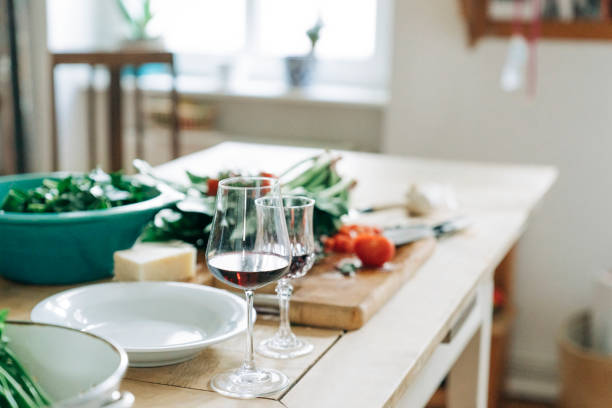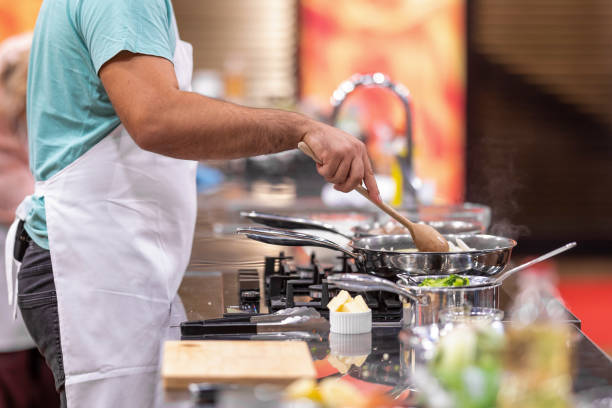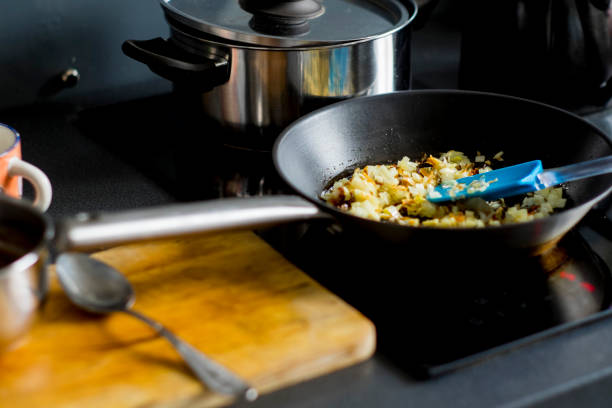
The first time you cook as a couple, the recipe you choose matters more than you might think. Pick something too fancy, and you may spend the whole night stressed, sweaty, and hunting for a pan you do not own. Pick something too boring, and it can feel like homework. The sweet spot is a recipe that is simple enough to leave room for talking, laughing, and helping each other. You are not trying to impress a food critic. You are trying to make a meal and enjoy the time together.
Start with a recipe that has a short list of ingredients. Ten or fewer is a good goal for your first time. Look for ingredients you already know and can find at a normal grocery store. If the recipe calls for three kinds of specialty spices or a tool you have never used, save it for later. This is not about playing it safe forever. It is about making your first cook together feel doable. A win on night one builds confidence for night two.
Next, choose a recipe with clear steps. You want a recipe that tells you when to stir, how hot the pan should be, and how to know when the food is done. A good first recipe might be a simple pasta dish, tacos, sheet-pan chicken and vegetables, pancakes, or a big pot of chili. These meals give you room to work side by side. One person can chop while the other stirs. One can read the next step out loud while the other sets the table. That teamwork is the whole point. You are learning how you move together in the kitchen. If you cannot find a recipe you both like, choose a meal with parts you can change. Plain pasta with a sauce you both enjoy is easier than a dish with ten steps.
Time matters, too. Pick a recipe that takes about thirty to forty-five minutes from start to finish. A long cook time can turn a fun night into a tired night. If the recipe says marinate overnight or simmer for two hours, it may not be the best first choice. You can still make those meals later, on a weekend when you have more time. For your first cook, keep the clock on your side.
Before you shop, read the recipe all the way through together. This sounds small, but it saves big headaches. Check that you have the pans, knives, and bowls you need. Check that you understand every step. If something is confusing, talk it out before you turn on the stove. Decide who will do which jobs. Maybe one of you is better with a knife, and the other is better at watching the stove. Maybe you both hate dishes, so you agree to clean as you go. Making a simple plan keeps you from stepping on each other’s toes.
While you cook, talk about what you notice. This smells good. The onion is starting to look clear. I think we need a bigger bowl. You do not need deep conversations every minute. Small talk while you cook is how you build a comfortable rhythm. If something goes wrong, laugh if you can. A little too much salt or a pan that is too hot is not a disaster. It is just part of learning. Ask each other for help instead of taking over. That small choice turns cooking into a team sport. If one of you feels lost, stop and read the step again together. You are allowed to go slow. A calm kitchen is better than a fast one.
When you sit down to eat, take a second to notice what you made together. It does not have to be perfect. Maybe the pasta is a little sticky, or the veggies are softer than you planned. You still did it. Talk about what you liked and what you would try next time. Then pick your next recipe together. Your first cook is not a test. It is the start of a habit. Keep it simple, keep it kind, and keep cooking.