What Do We Do with the Mess Afterwards? Confronting the Aftermath of Modern Life
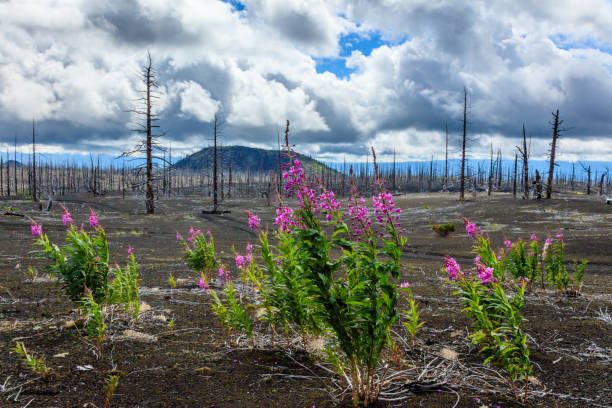
Physically, the mess is undeniable. It is the mountain of single-use packaging after a holiday, the dust and discarded materials of a home improvement project, the silent, toxic legacy of industrial sites. Our economic models thrive on linear consumption—take, make, dispose—leaving us with a planetary-scale cleanup duty for which we have no adequate blueprint. We outsource this mess, shipping it to landfills, incinerators, and less affluent nations, creating a haunting “afterwards” for other communities and future generations. The challenge here is not merely technical, but philosophical: it demands a shift from disposal to stewardship, from waste management to a circular ethic where the “afterwards” is designed into the “before.“ It requires us to see the mess not as an end, but as a potential beginning, a source of reclaimed materials and a stark lesson in sustainable design.
Beyond the tangible clutter lies the more insidious emotional and psychological mess. This is the fallout from personal conflict, the quiet after a period of intense grief or crisis, the exhaustion following a major professional effort. We are expected to simply “move on,“ but the debris remains—lingering anxiety, unresolved feelings, a profound sense of dislocation. Society offers few rituals for processing this kind of aftermath. We lack the communal structures to sit in the wreckage and sort through it, piece by piece. Instead, we often sweep the emotional shards under the rug, where they resurface as stress, bitterness, or numbness. Tending to this mess requires courage and time we seldom grant ourselves. It asks for quiet reflection, honest conversation, and the patience to rebuild one’s internal landscape without a clear deadline for completion. The mess afterwards, in this sense, is not a sign of failure but a testament to having lived deeply, and it deserves compassionate attention.
On a societal scale, we confront the historical and systemic messes left by past injustices, failed policies, and technological leaps made without foresight. These are the entrenched inequalities, the polluted rivers, the algorithmic biases coded into our systems. The mess here is intergenerational and institutional. The temptation is to assign blame and look away, to consider it too complex or too costly to address. But the mess persists, festering, undermining progress. Cleaning this up is the hardest work of all. It demands collective accountability, a willingness to revisit painful history, and a commitment to repair. It involves not just dismantling harmful structures but the painstaking labor of building new, more equitable ones in their place. This process is inherently messy itself—fraught with disagreement and imperfect solutions—but it is the only way to prevent the sins of the past from permanently poisoning the future.
Ultimately, the question of what we do with the mess afterwards is a measure of our maturity, integrity, and vision. It is a call to expand our focus from the climax to the denouement, to value cleanup as much as creation. It invites us to develop resilience in the face of debris, whether it’s in our homes, our hearts, or our world. The mess is unavoidable; it is the proof of action and change. Our responsibility, then, is not to avoid making messes altogether—an impossible task—but to cultivate the wisdom, the tools, and the humility to address them with care. For it is in how we clean up, how we repair, and how we learn from the aftermath that we truly define our legacy. The afterwards is not an epilogue; it is the ground upon which the next chapter must be built.