The Art of Harmonious Kitchen Collaboration
The foundation of any successful kitchen collaboration is a conversation held far from the heat of the stove. This initial dialogue should focus on uncovering each person’s natural inclinations and aversions. One might find the precision of chopping vegetables meditative, while another dreads it. Someone may enjoy the alchemy of building a sauce but panic at the thought of timing multiple oven dishes. By mapping these preferences, a natural and efficient division begins to emerge, rooted in willingness rather than imposition. This understanding acknowledges that efficiency is not just about speed, but about assigning tasks to those who will perform them with more confidence and less stress, thereby creating a calmer environment for everyone.
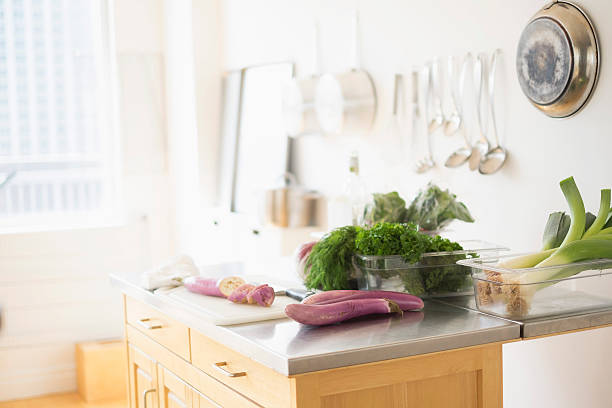
With preferences in mind, the next step is to conceptualize the kitchen not as a single station but as distinct zones of activity. Much like a professional kitchen brigade, designating zones for prep, cooking, plating, and cleaning minimizes cross-traffic and the dreaded “backing up” phenomenon. One person can command the countertop zone, focusing on washing, chopping, and assembling ingredients, while the other manages the stove and oven zone, concentrating on sautéing, boiling, and roasting. This spatial awareness is crucial; it means the person at the sink isn’t turning around into someone carrying a pot of boiling water, and the cook at the stove has a clear path to the seasoning cabinet. Effective zoning inherently sequences the workflow, creating a natural assembly line where prepared ingredients flow toward the cook, and finished dishes flow toward the plating area and, ultimately, the table.
Within this structured flow, mastering the silent language of the kitchen is essential for seamless operation. This involves cultivating situational awareness—a constant, gentle consciousness of where your partner is and what they are likely to do next. It means announcing your movements with a simple “behind you” when passing, or placing used knives in a designated spot rather than leaving them hidden in the sink suds. It is the practice of cleaning as you go, ensuring that your zone remains clear for the next phase of work, and it is the gracious act of refilling the water jug or fetching a missing ingredient for the person who is actively tending to a hot pan. These small, considerate actions prevent the majority of collisions and frustrations, speaking louder than any chore chart.
Finally, the true test of a collaborative kitchen system is its flexibility. Some nights, the planned division may falter; a recipe proves more complex, a day was particularly taxing, or a spill creates an unexpected crisis. The ability to fluidly swap roles, to step in and take over a task without being asked, or to simply handle the entire clean-up as a gift when your partner has cooked under duress, is what sustains harmony over the long term. This spirit of adaptive support, where the goal is a shared successful meal rather than rigid adherence to a plan, defuses tension and reinforces teamwork.
Ultimately, splitting kitchen tasks harmoniously is less about drawing a perfect line down the center of the room and more about weaving two efforts into a single, cooperative endeavor. It begins with understanding individual strengths and designing a logical workflow, is maintained through mindful communication and spatial awareness, and is preserved by a generous willingness to adapt. By embracing these principles, we can ensure the kitchen remains a place of nourishment and connection, where the only thing we get in the way of is hunger.