The Unsung Hero of the Kitchen: How the Right Pan Transforms Cleanup
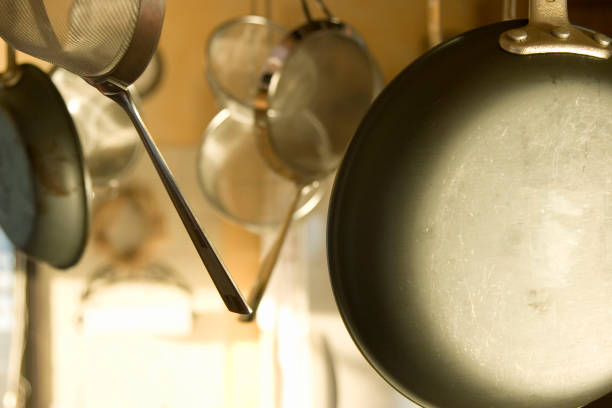
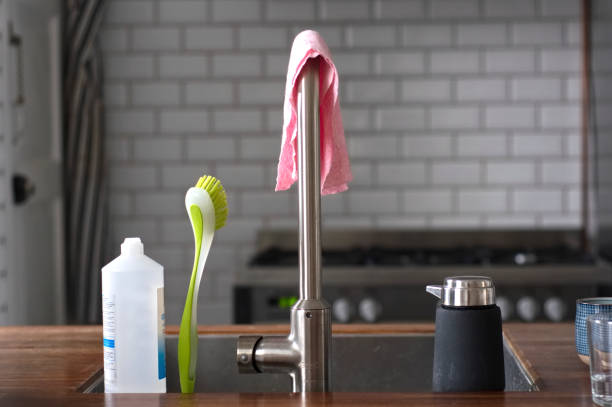
The pan’s material is the primary factor in its cleanability. Nonstick coatings, when used and cared for properly, are the undisputed champions of easy cleaning. A high-quality ceramic or PTFE-based nonstick surface creates a barrier that prevents food from bonding, meaning eggs slide out effortlessly and delicate fish fillets release without leaving a stubborn crust. Cleanup often requires little more than a gentle wipe with a soft sponge and warm, soapy water, eliminating the need for strenuous scrubbing that can damage other surfaces. In contrast, traditional materials like carbon steel or cast iron, while excellent for searing, require a different approach. Their seasoned surfaces are naturally nonstick when maintained, but they must be cleaned carefully without harsh detergents to preserve their patina. For those willing to maintain the seasoning, cleanup is straightforward, but it is a committed relationship. Stainless steel sits in the middle; it is durable and reactive-free but notorious for food sticking. However, its saving grace is that any stuck-on bits can be addressed with robust scrubbing or deglazing with liquid to create a pan sauce, effectively cleaning the surface while building flavor.
Beyond the cooking surface, the pan’s construction details play a crucial supporting role. Riveted handles may provide superior stability, but welded handles offer a smooth interior that prevents food traps where grease and grime can accumulate. A pan with gently sloped sides, as opposed to straight vertical walls, makes it easier to get a spatula or sponge into every corner. Furthermore, the choice of handle material matters. A stainless steel handle may become blisteringly hot during cooking, necessitating an oven mitt for safe movement, but it is also dishwasher-safe for a truly hands-off cleanup. Conversely, a classic cast iron pan with its attached iron handle is neither dishwasher-safe nor easy to maneuver to the sink when hot, adding steps to the process.
The design intelligence of a pan extends to features specifically engineered for easy maintenance. Many modern pans are now marketed as “dishwasher safe,“ a label that promises ultimate convenience, though it often comes at the cost of longevity for certain materials like nonstick coatings. More subtly, pans with encapsulated bases—where the conductive core is fully clad within the stainless steel—prevent food from catching on a protruding rim or a seam between the base and the walls. A well-fitted lid is another unsung hero; by trapping steam, it can prevent sauces and liquids from splattering and baking onto the stovetop and the pan’s exterior, containing the mess to a single, washable vessel.
Ultimately, the right pan acts as a strategic partner in the kitchen’s workflow. It acknowledges that the cooking experience is a holistic cycle that begins with preparation and ends with restoration. By selecting a pan whose material aligns with your cooking style and whose design prioritizes smooth surfaces and smart features, you invest not only in better meals but in reclaimed time. The arduous scrubbing session over a burnt-on mess becomes a distant memory, replaced by the simple satisfaction of a quick rinse and wipe. In this way, the humble pan proves to be far more than a cooking tool; it is a deliberate choice for efficiency, transforming the dreaded cleanup into an effortless conclusion to the creative act of cooking.