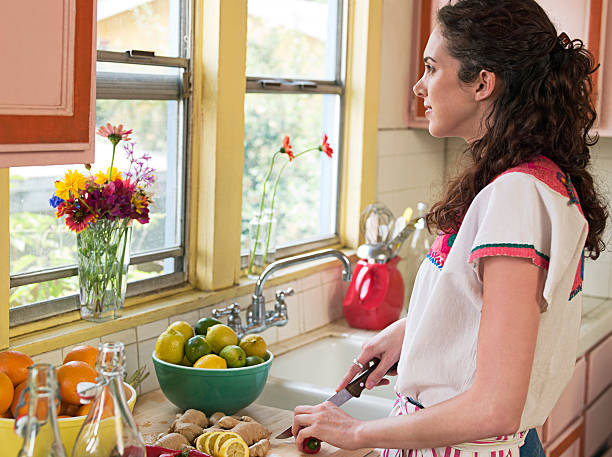
Cooking together can be one of the best parts of your day. It can also be the moment when small things turn into big sighs. Someone chops onions too fast. Someone else moves the spoon. One person says, “I thought you were watching the sauce,” and suddenly you are not talking about sauce anymore. The good news is you can keep this from happening with a simple habit: a two-minute check-in before you start cooking. It is not a big talk. It is just a quick pause to say what you need and hear what your partner needs. That small pause can make the whole meal feel calmer and closer.
The check-in works best before the heat is on. Put down your phone. Stand near each other, not across the room. Take turns answering one easy question: “What would make cooking feel good for you tonight?” Maybe you want to be the one who picks the music. Maybe your partner wants to chop because it helps them unwind. Maybe one of you is tired and needs the other to take the lead. You do not need to solve anything big. You are just sharing the weather report for your own mood. Keep it short and plain. “I am tired, so I need a slow start.” “I have a lot of energy, so give me the onions.” This is talking, but it is also listening practice. When you both know the plan, you spend less time guessing and more time enjoying the food and each other.
Listening while cooking means you are not just waiting for your turn to talk. It means you show your partner you heard them. You can say back the short version: “So you want to handle the stove tonight.” “You want me to stay out of the way until you ask.” Then do that. If you forget, that is okay. Just check again. “Am I helping or crowding you?” This one question can save a lot of hurt feelings. It lets your partner answer without feeling like they have to be mean. It also gives you a chance to change your behavior before it becomes a problem.
One reason cooking talks go sideways is that people give advice too fast. Your partner is stirring the soup, and you say, “You should add salt.” Maybe you mean well. But in the moment, it can sound like “You are doing it wrong.” Try asking first: “Do you want a thought about the salt?” or “How is it tasting to you?” That gives your partner a choice. If they say no, let it go. If they say yes, share your idea in a small way. “I think it needs a little more.” This keeps the talk friendly. It also helps you listen to the answer instead of rushing in with your own plan.
The same goes for the person who is cooking. Say what you need instead of hoping your partner will guess. “I need five quiet minutes with this pan.” “I would love it if you set the table while I finish.” “I am not mad. I am just focused.” Clear words are kind words. They stop your partner from making up a story in their head. You can also ask for a real break. If the kitchen feels tense, turn off the burner for a minute. Drink some water. Say, “Let’s reset.” You are not failing at cooking together. You are taking care of the teamwork.
The best part of the check-in is that it builds trust. Your partner learns that you will ask before you jump in. You learn that your partner will tell you what they need. Over time, cooking becomes less about being perfect and more about being a team. You might still burn the garlic. You might still disagree about how much cheese is too much. But you will be better at talking it through. And that makes the meal taste better, because the table feels safe. Before you turn on the stove tonight, take two minutes. Ask one simple question. Listen to the answer. Then cook. It is a small move with a big payoff.