The Two-Cook Rule: Organizing Your Small Kitchen So You Both Can Work Together
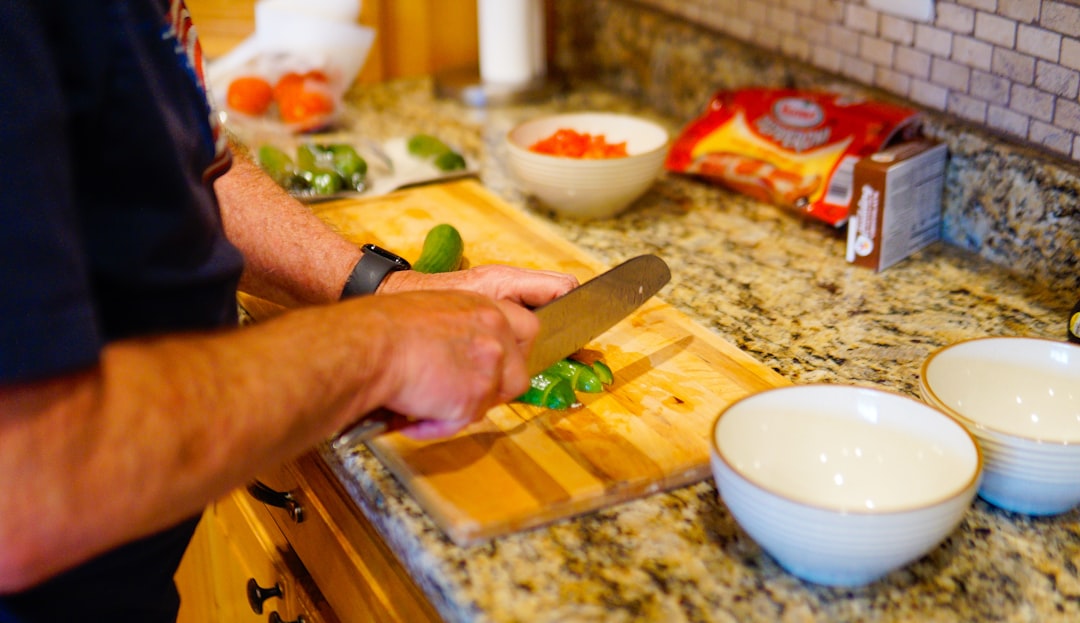
Start by looking at your counters and deciding what each of you will use the most. If one person is in charge of chopping veggies and the other is handling the stove, then the cutting board and knives should live on one side of the sink while the pots and spatulas stay near the burners. This sounds simple, but most of us shove everything wherever it fits. When you both have a dedicated zone, you stop bumping elbows and start finishing each other’s sentences, kind of like the rhythm of a good recipe.
Next, think about the stuff you reach for again and again. Salt, pepper, oil, a favorite hot sauce, maybe a garlic press. Those should go in a small tray or a shallow basket that sits near the front of the counter or inside a cabinet door with a hook. That way neither of you has to dig through a pile of spice jars while the other is stirring a sauce. This little landing zone becomes the hub of your cooking together. Every time one of you needs salt, you grab it from the same spot, and you both know exactly where it lives. No hunting, no sighing, no saying, “Did you move the pepper again?“
Drawers and cabinets need a clear agreement too. If you both use measuring cups, keep them in a single drawer that is easy to open. If you both need the colander for rinsing pasta or washing berries, put it on a low shelf or inside a pull-out bin. The rule is this: if an item is used by both of you during a meal, it gets a home that both of you can reach without having to ask the other to move. That small change cuts down on frustration and keeps the mood light.
Now, here is the most important part for your relationship. In a tiny kitchen, you cannot both have everything spread out. You have to agree on what goes where. Sit down together one evening, not while you are hungry, and talk through your cooking habits. Maybe you like to keep the olive oil next to the stove, but they like it near the salad bowl. Instead of fighting over it, pick one spot and stick with it for a week. If it feels wrong, swap. The goal is not perfection, but a system that lets you both cook without one person feeling like a guest in their own kitchen. That sense of shared ownership brings you closer.
Another smart trick is to use vertical space. Hang a magnetic strip for knives on the wall, or install a small rack for your most used spoons and tongs. This clears up drawer space and keeps tools within arm’s reach for both of you. If one of you is taller and the other is shorter, mount the strip at a middle height so nobody has to stretch or bend. When you make these decisions together, you are literally building a space that fits both of your bodies, and that physical teamwork spills over into emotional closeness.
Do not forget about the sink. In a small kitchen, the sink is often a bottleneck. One person wants to wash a bowl, the other needs to fill a pot. Make a simple rule: when you are cooking side by side, the person using the stove or cutting board has first dibs on sink time for quick rinses. The other person can wait or use a small basin. This prevents those little tugs-of-war that can turn a fun date night into a grumpy mess. Instead, you learn to read each other’s timing, and that builds a quiet kind of trust.
Finally, leave a little bit of empty counter space. It sounds crazy when you are short on room, but an empty six-inch strip of countertop is a lifesaver. It gives you a spot to set down a hot pan, a spoon, or a recipe card without knocking over the salt shaker. That empty zone becomes a shared landing pad. When you both treat it with respect, you learn to share space without crowding each other out.
A small kitchen is not a problem to solve. It is a chance to practice teamwork in a very real way. Every time you reach past each other for the garlic press or slide the cutting board to your partner without a word, you are building a stronger connection. The gear and tools matter, but the way you organize them for two people matters more. So clear a shelf, make a plan together, and then start cooking. Your kitchen will feel bigger the moment you both know where everything belongs.