Easy Baking Basics for Beginners
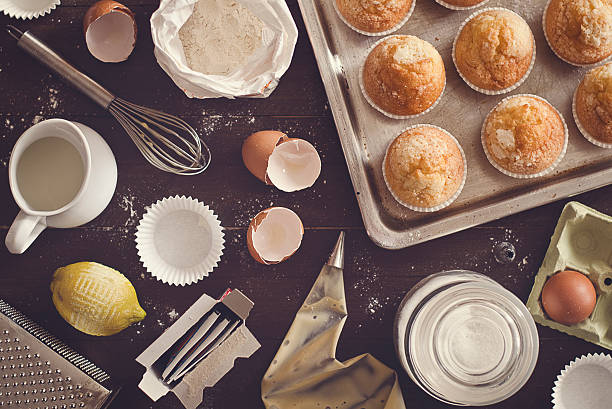
First, understand the core principle: baking is a gentle science, not a mystery. Accuracy matters more than in regular cooking. This isn’t a place for wild improvisation on your first try. That means you both need to commit to using the right tools for measuring. Get a set of nested measuring cups for dry ingredients like flour and sugar. To measure flour correctly, spoon it lightly into the cup and level it off with the back of a knife. Do not scoop directly from the bag—you’ll pack in too much and end up with dry, dense results. For liquids, use a clear liquid measuring cup with markings on the side, checking it at eye level. You’ll also need a set of measuring spoons. This simple act of measuring together, one person holding the cup steady while the other levels, sets a tone of teamwork and precision.
Your ingredients want to be at room temperature. This is a non-negotiable tip for beginners. Recipes specify this for a crucial reason. Cold butter doesn’t cream properly with sugar, and cold eggs can curdle a batter. Take your eggs, butter, and milk out of the fridge about an hour before you start. Use this time to read the recipe aloud together, all the way through. Gather all your tools and ingredients—this is called mise en place, a fancy term for having everything in its place. It prevents the frantic “you find the vanilla while I stir” panic and keeps the process calm and collaborative.
Now, follow the recipe’s instructions on mixing to the letter. Terms like “fold,” “cream,” and “just until combined” have specific meanings. “Creaming” butter and sugar means beating them together until pale and fluffy; this incorporates air for lift. “Folding” is a gentle, turning motion to incorporate delicate items like whipped egg whites without deflating them. “Just until combined” means stop the moment you see no more dry flour; overmixing develops gluten and leads to toughness. Divide these tasks. One of you can be in charge of the electric mixer while the other prepares the next addition. It’s a physical, shared focus.
Ovens lie. They are notoriously inaccurate. An inexpensive oven thermometer is your best investment. Place it inside to know the true temperature. Always preheat your oven fully—wait for the beep, then give it extra time. The sudden heat is essential for the chemical reactions that make things rise. Respect the bake time given, but trust your senses more. The recipe might say “25 minutes,” but your kitchen is unique. Start checking a few minutes early. A cake is done when a toothpick inserted in the center comes out with a few moist crumbs, not wet batter. Cookies are done when the edges are set and lightly golden. Let things cool as directed; cutting into a steaming-hot cake will cause it to fall apart.
Embrace the imperfections. Your first loaf might be lopsided. Your cookies might merge into one giant sheet. It does not matter. What matters is the process you shared: the shoulder-to-shoulder focus, the gentle guidance, the waiting together for the timer to ding, and the warmth that fills your kitchen and your connection. That is the true, no-fail recipe. Start simple—a batch of chocolate chip cookies, a straightforward banana bread. You are not just baking; you are creating a habit of cooperation, patience, and shared reward. Now, go get flour on the floor together.