The Golden Rule for Dividing Cooking Duties
This elegant division of labor, often called “I cook, you clean” or its reciprocal form, works because it operates on a fundamental principle of fairness and respects both the effort of creation and the necessity of restoration. It acknowledges that the act of cooking is more than just the twenty minutes of active sautéing; it encompasses the meal planning, the grocery shopping, the prep work of chopping and measuring, the focused attention during cooking, and the mental load of pulling a complete meal together. Conversely, cleaning is its own significant undertaking, involving the clearing of dishes, scrubbing of pots and pans, loading the dishwasher, wiping down counters, and returning the kitchen to a state of order. By splitting the experience into these two holistic phases, both parties contribute a substantial, complementary effort toward the same goal: a shared meal and a restored kitchen.
The beauty of this rule lies in its inherent flexibility and its capacity to adapt to daily life. It does not mandate who must cook on any given night, allowing for natural rhythms and preferences to guide the decision. Perhaps one partner had a draining day at work and lacks the creative energy to decide on a recipe; they can volunteer for cleaning duty while the other, who finds cooking therapeutic, takes the lead. Or, if someone is eager to try a new, complex dish that will inevitably use every pot in the cupboard, the understanding is clear that their investment of time and creativity is balanced by the other’s commitment to tackle the resulting culinary aftermath. This fluidity prevents resentment, as the roles can swap effortlessly from day to day based on energy, interest, and time availability.
Furthermore, this simple agreement fosters a spirit of teamwork and mutual appreciation. The cook can focus entirely on the craft of cooking, perhaps even indulging in a more elaborate meal, without the looming dread of the mess they are creating. This freedom often leads to better, more joyful cooking. Meanwhile, the cleaner can enjoy their meal fully, knowing their specific duty comes afterward, allowing them to be present at the table. When the meal concludes, the division is clear, eliminating the awkward dance of “should I help?“ or the passive-aggressive stacking of plates by the sink. The cleaner takes ownership of the space, and the cook gets a well-deserved reprieve. This clear handoff acknowledges both contributions as equally valuable.
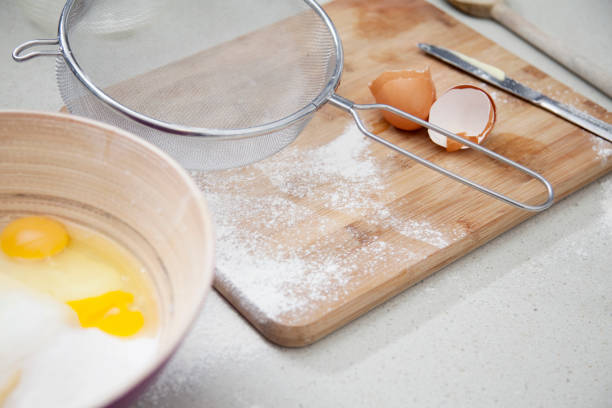
Of course, the rule thrives on good faith and can be refined with gentle communication. It implies that the cook makes a reasonable effort to minimize undue mess—not to leave eggshells on the counter or spill sauce across the stovetop without a wipe. Similarly, the cleaner’s domain is everything post-meal, which may reasonably include putting away leftovers. For very large meals or special occasions, the rule can be suspended in favor of an “all hands on deck” approach. But for the steady rhythm of weekday dinners, this simple pact is remarkably effective.
Ultimately, dividing cooking jobs need not involve a complex flowchart. By adopting the straightforward principle that the roles of creator and restorer are separate and equally vital, households can eliminate daily negotiations and potential friction. This rule honors the full scope of the work, respects individual circumstances each evening, and transforms a routine chore into a tangible exchange of care. In the end, it ensures that the warmth of a shared meal is never cooled by the chill of a dispute over who handles the dirty dishes.