The Second Life of Leftovers: From Fridge to Future

At its most fundamental level, the proper management of leftovers is an act of thrift and efficiency. In a world where household budgets are often strained, allowing perfectly good food to languish and spoil is a direct financial loss. The simple practice of storing and repurposing meals transforms a single cooking effort into multiple nourishing events, stretching the value of ingredients and the time invested in their preparation. This is not mere frugality but a form of resourcefulness that honors the effort of production, from farm to home cook. It is a quiet rebellion against a disposable culture, choosing mindful conservation over convenient waste.
The environmental imperative for creatively addressing leftovers is undeniable. Food waste is a catastrophic global issue, with discarded food filling landfills and producing methane, a potent greenhouse gas. When we compost scraps or, better yet, prevent waste from occurring in the first place by utilizing leftovers, we directly reduce our environmental footprint. Every container of roasted vegetables or stew given a second life represents saved water, energy, and land that went into its production. Thus, the contents of our refrigerators become a microcosm of larger ecological responsibility; our decisions there contribute to a collective impact on planetary health.
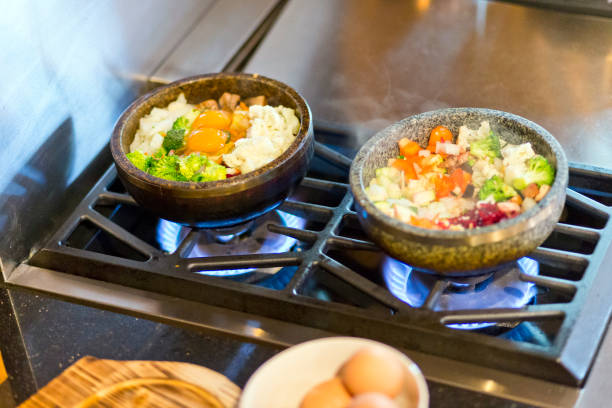
Beyond economics and ecology, the realm of leftovers is a canvas for culinary creativity. This is where the true artistry of home cooking often shines. Leftovers are not an endpoint but ingredients for a new beginning. That roasted chicken carcass simmers into a rich broth. Yesterday’s plain rice is fried with eggs and vegetables for a quick lunch. Overripe bananas become moist bread, and wilting herbs are blitzed into a vibrant pesto. This process of transformation requires imagination and skill, turning perceived monotony into invention. It is a practice deeply embedded in many food traditions, where nothing usable is discarded, and “make-do” cookery has yielded iconic dishes like bread pudding, French toast, and countless soups and casseroles.
However, the psychological and social dimensions of leftovers cannot be ignored. For some, they represent a tiresome obligation or a symbol of lack, while for others, they evoke comfort and nostalgia—the “better the next day” flavors of a stew or lasagna. Socially, the sharing of leftovers, whether sending a container home with a guest or providing a meal to a neighbor, is a powerful gesture of care and community. It extends the table’s warmth beyond the original meal, fostering connection and reducing waste simultaneously.
Ultimately, what we do with leftovers is a telling daily ritual. It asks us to see potential where others see an end, to value what we already have, and to recognize the extended lifecycle of our food. The most sustainable approach is a holistic one: planning meals to minimize excess, storing food properly to extend its life, and embracing the creative challenge of reinvention. By viewing leftovers not as forgotten relics but as opportunities, we practice a philosophy of sufficiency and respect. We acknowledge that food is more than fuel; it is a chain of labor, a bundle of resources, and a gift that can, with a little thought, keep on giving. In giving our leftovers a purposeful second life, we nourish more than just our bodies—we cultivate a more thoughtful and resilient way of living.