Discovering Culinary Creativity: The Joy of Learning to Cook Together

The first, and perhaps most delightful, step is the joint selection of what to create. This could involve paging through a cherished cookbook, scrolling through a food blog, or even reminiscing about a memorable dish from a past vacation. This collaborative curation ensures that both parties are invested in the outcome from the very start. It is a negotiation of tastes and curiosities, where one person’s desire to attempt handmade pasta meets another’s wish to master a complex curry, culminating in a chosen recipe that represents a shared goal. This stage builds anticipation and establishes a common purpose, setting the tone for the teamwork to come.
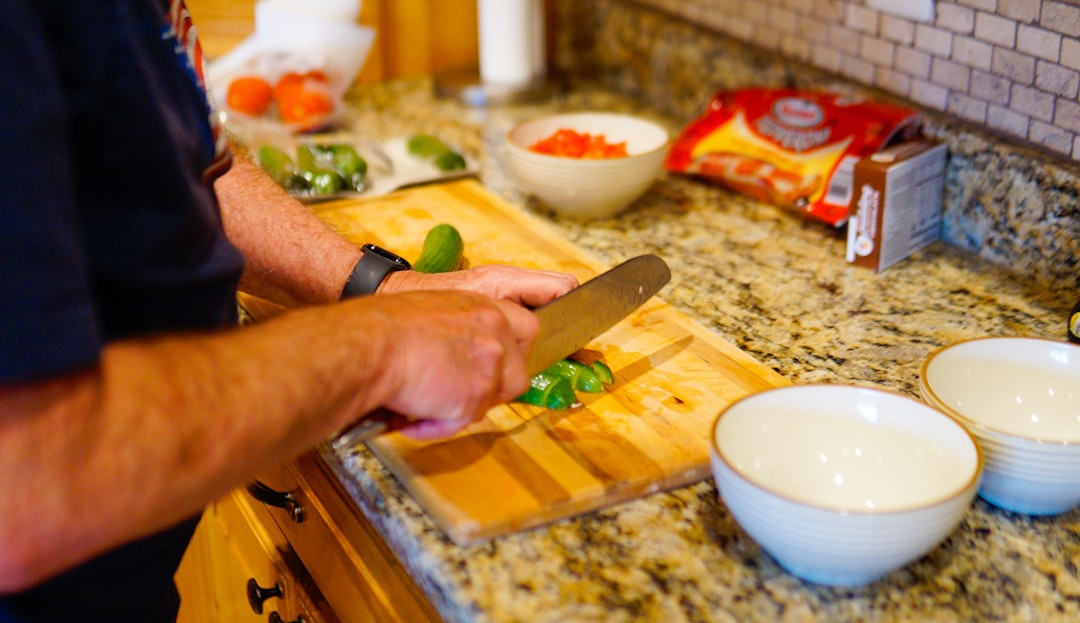
Once the recipe is selected, the true dance of cooperation begins. Rather than dividing tasks rigidly, learning together thrives on fluid interaction. One person might read the instructions aloud while the other gathers ingredients, transforming the recipe from a silent list into a conversational guide. As you chop, measure, and sauté, you naturally fall into a rhythm, learning each other’s pace and preferences. This is where practical skills are passed seamlessly between partners—a demonstration on how to properly hold a chef’s knife, a tip for testing the doneness of a sauce, or a shared laugh over a misshapen dumpling. The kitchen becomes a space of non-judgmental teaching, where questions are encouraged and expertise, however nascent, is generously offered.
Inevitably, challenges arise. A sauce may break, an oven temperature may prove inaccurate, or a crucial ingredient may be forgotten. These moments are critical to the learning process. Instead of assigning blame, tackling problems together fosters resilience and creative problem-solving. It is in these instances that you learn to improvise, to soothe minor frustrations with humor, and to celebrate the salvage of a dish as a joint victory. The imperfect, lopsided cake decorated with earnest enthusiasm often holds more value than a flawless, solitary creation, because it embodies the journey you undertook as a team.
The culmination of the effort is, of course, the shared meal. Sitting down to taste what you have built together provides a profound sense of accomplishment that is magnified by its joint nature. You critique the dish not as a judge, but as co-creators, discussing what you loved and what you might adjust next time. This reflective conversation solidifies the learning and plants the seed for your next culinary adventure. The meal becomes a tangible reward for your cooperation, nourishing both body and relationship.
Ultimately, learning to cook new things together is a metaphor for partnership itself. It requires clear communication, the graceful division and sharing of labor, the capacity to navigate surprises, and the joy of enjoying the fruits of your collective effort. It turns a daily necessity into an opportunity for connection and growth. With each new recipe attempted, you not only expand your culinary repertoire but also deepen your understanding of one another, one shared meal at a time. The kitchen, therefore, ceases to be just a room where food is made; it becomes a workshop for collaboration, a laboratory for experimentation, and a dining room for celebrating the simple, profound pleasure of creating something wonderful together.