The Nourishing Benefits of Cooking Together Over Takeout
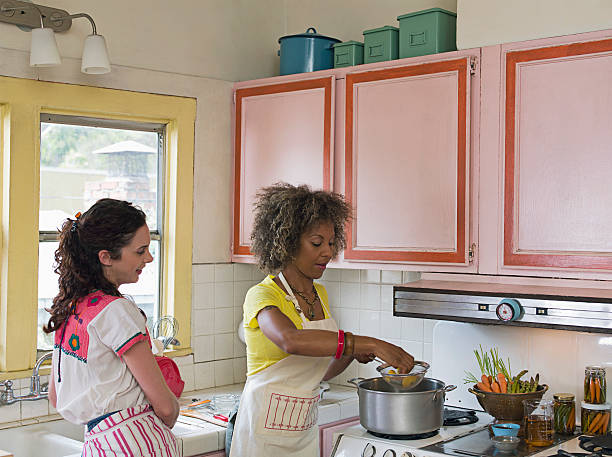
Fundamentally, cooking together is an act of collaboration that strengthens social bonds. Unlike the passive experience of ordering food, which often involves solitary screen-tapping, shared cooking is inherently interactive. It requires communication, from dividing tasks like chopping vegetables or stirring a sauce, to the simple, joyful exchange of stories over a simmering pot. This collaborative effort transforms the kitchen from a utilitarian space into a creative workshop where laughter is as common as the clatter of pans. The shared accomplishment of creating something tangible fosters a unique sense of teamwork and mutual appreciation. The meal that follows is imbued with the satisfaction of a joint achievement, making the dining experience more meaningful than simply unpacking containers. This process builds memories and inside jokes, weaving a stronger fabric of connection that a transactional takeout order could never replicate.
Beyond the social sphere, cooking together empowers us with greater control over our physical well-being. When we cook, we are the architects of our ingredients. We decide the quality of the olive oil, the freshness of the produce, and the precise amount of salt or sugar. This transparency stands in stark contrast to the often-hidden realities of restaurant and takeout meals, which can be laden with excessive sodium, unhealthy fats, and preservatives to enhance flavor and shelf life. Cooking as a group allows for a shared investment in health, encouraging conversations about nutrition and dietary preferences. It becomes an educational opportunity, especially for children, teaching them about whole foods and basic life skills. The result is not only a meal that is likely more nutritious but also a deeper, collective understanding of what fuels our bodies.
Moreover, the kitchen serves as a potent sanctuary from the digital noise of modern life. Cooking demands a form of mindful engagement—focusing on the scent of garlic hitting a hot pan, the vibrant color of fresh herbs, the tactile pleasure of kneading dough. This sensory immersion acts as a natural counterbalance to the abstract, often stressful, digital world. When done together, this mindfulness is multiplied, creating a shared, screen-free zone of present-moment awareness. The process itself, with its measured steps and tangible progress, can be remarkably therapeutic, reducing stress and fostering a sense of calm accomplishment. It is a creative outlet where experimentation is encouraged, and mistakes become part of the story, a far cry from the predictable, pre-packaged experience of takeout.
Finally, cooking together is an act of cultural and personal preservation. Recipes passed down through generations find new life in a shared kitchen, stories accompanying each pinch of spice or special technique. It is how family histories and cultural traditions are tasted and remembered. While takeout can introduce us to global cuisines, cooking those dishes ourselves—perhaps with a friend who shares that heritage—creates a deeper, more respectful understanding. It transforms consumption into participation, fostering appreciation over passivity.
In conclusion, while takeout offers undeniable convenience for our busiest days, choosing to cook together is an investment in a richer, more connected life. It fortifies our relationships through collaboration, reclaims our health through conscious choices, offers respite through mindful creativity, and keeps our stories alive through shared creation. The meal becomes more than sustenance; it becomes an experience—a memory crafted by hand, together, whose true flavor is found not just in the food, but in the very act of making it.