The Art of Synchrony: Essential Kitchen Tools for Culinary Partnership
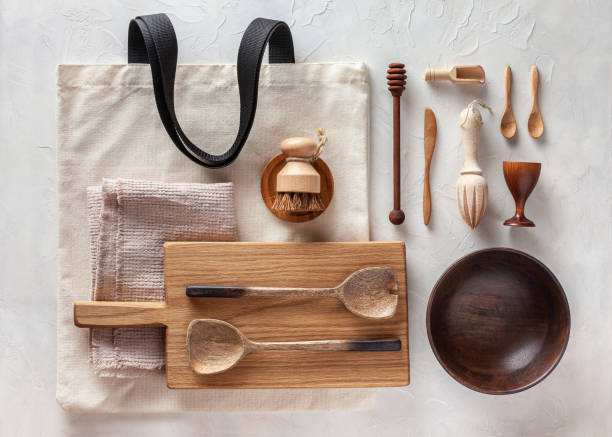
Fundamental to any successful culinary duo is the acknowledgment of separate workspaces. A single, large cutting board often becomes a bottleneck. Instead, investing in two high-quality, durable boards—one for each partner—allows tasks to proceed in parallel. One person can chiffonade herbs while the other dices onions, dramatically speeding up prep time and minimizing the awkward dance of waiting for board space. Complementing these, a robust set of knives, featuring at least one chef’s knife and one paring knife per person, is non-negotiable. This prevents the all-too-common interruption of asking for the “good knife” back and ensures both cooks can work with precision and confidence. Safety, after all, is profoundly enhanced when no one is reaching across another’s blade.
Beyond individual stations, tools that facilitate the handoff of ingredients and processes are key. A set of nesting mixing bowls in various sizes is indispensable. One person can measure dry ingredients into one bowl while the other whisks a marinade in another, and they can be easily passed or combined. Similarly, multiple prep bowls or small ramekins—often called mise en place bowls—allow each component of a recipe to be pre-measured and organized. This creates a shared visual language; both cooks can see the recipe’s progress and seamlessly integrate their contributions. A large, wall-mounted magnetic knife strip or a block that holds all knives also supports this flow, keeping sharps safely accessible to both without rummaging in drawers.
Certain tools are inherently collaborative by design. A large, heavy-duty mortar and pestle, for instance, invites turn-taking for grinding spices or making pesto, a rhythmic task that encourages conversation. A double-sided salad spinner allows one person to wash and the other to spin, dividing a mundane chore. For baking partnerships, a kitchen scale is superior to volume measurements for clear communication; announcing “250 grams of flour” is unambiguous, ensuring accuracy and teamwork. Furthermore, a sturdy, wide saucepan or Dutch oven with two helper handles, rather than one long handle, allows for safe lifting and maneuvering by two people, especially when dealing with heavy, hot contents.
Finally, the tools that manage the aftermath are just as crucial for harmonious co-cooking. A divided sink caddy or two separate washing brushes makes clean-as-you-go a shared responsibility, not a pointed assignment. Amorous dish towels within easy reach of both work zones keep spills from becoming frustrations. And perhaps most importantly, a reliable kitchen timer with a clear display prevents the “I thought you were watching it” mishap, centralizing responsibility for doneness.
Ultimately, the best kitchen tools for two are those that respect the individuality of each cook while enabling a unified goal. They minimize wait times, maximize safety, and create natural divisions of labor that feel organic rather than assigned. From dual cutting boards to shared mixing bowls, these instruments are less about the objects themselves and more about what they facilitate: a space where cooperation is baked into the process, where the joy of creating something delicious is matched by the joy of creating it together. In the end, the most essential tool is a kitchen environment engineered not for a solo performer, but for a well-coordinated duet.