The Fundamental Elements of a Perfect Stir Fry
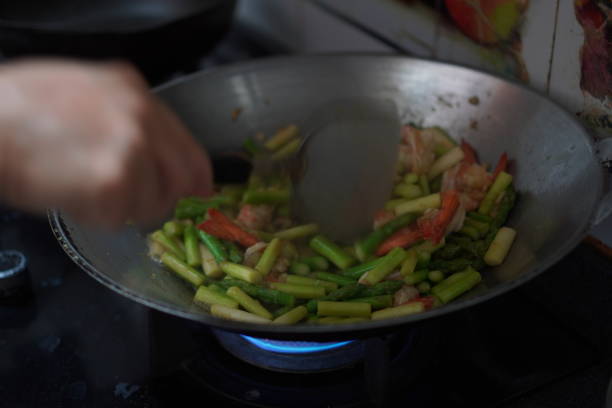
First and foremost, one must respect the power of high heat. The English translation of the Chinese term “chao” is not merely “fry,“ but “stir-fry,“ implying an intense, active process. Maximum heat is the irreplaceable engine of the dish. It sears proteins quickly, locking in juices; it blisters vegetables, creating that coveted smoky “wok hei” or breath of the wok, while retaining their color and crunch. Attempting a stir fry on a timid home burner is its greatest handicap, so the essential step is to preheat your cooking surface until it is violently hot. This brings us to the second essential: the right vessel. A well-seasoned carbon steel wok is the traditional and ideal tool. Its sloped sides facilitate the constant tossing and stirring, and its material reacts superbly to high heat, creating an excellent sear. However, a large, heavy-bottomed skillet can suffice if a wok is unavailable, provided it offers ample surface area for ingredients to make contact with the searing hot metal without stewing.
The ingredients themselves follow a hierarchy of preparation. Proteins, whether chicken, beef, pork, shrimp, or tofu, should be cut into uniform, bite-sized pieces to ensure quick and even cooking. A light coating of cornstarch, often mixed with soy sauce or rice wine, is a chef’s secret for creating a delicate crust and tender interior. Vegetables must be considered with texture in mind. They should be cut to similar sizes, and added in stages according to their density. Hardy vegetables like carrots and broccoli go first, followed by quicker-cooking items like bell peppers and snow peas, with leafy greens added at the very last moment. This staggered approach ensures every element reaches its perfect state of crisp-tenderness.
No stir fry is complete without its unifying element: the sauce. While countless variations exist, a good sauce balances salty, sweet, sour, and umami. The absolute essentials for a basic, versatile sauce include soy sauce for salt and depth, a touch of sugar or honey for sweetness and caramelization, rice vinegar for a bright note, and a thickening agent like cornstarch slurry to create a glossy coating that clings to each ingredient. Aromatics—fresh garlic, ginger, and scallions—are not optional; they are the soul of the dish, fried briefly in the hot oil at the start to perfume the entire creation.
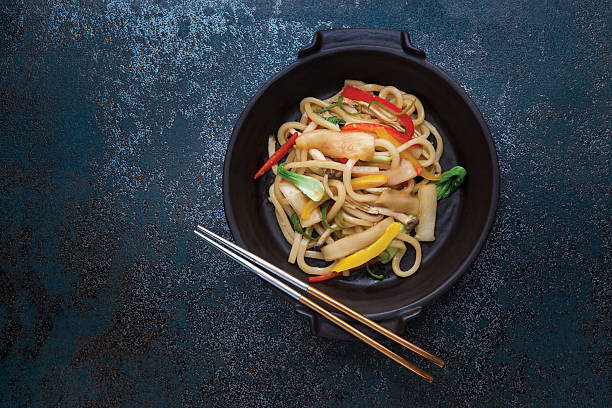
Finally, these components mean nothing without the proper technique. This is a dance of preparation and execution. Every ingredient must be prepared and arranged within arm’s reach before heating the wok, a practice known as mise en place. The cooking itself is a rapid, active process. Ingredients are added in sequence, stirred and tossed constantly to prevent burning and promote even exposure to heat. Overcrowding the pan is a fatal error, as it drops the temperature and leads to steaming. Cook in batches if necessary. The culmination is a dish that arrives at the table within minutes, celebrating the individual integrity of each component while uniting them in a savory, aromatic whole. Ultimately, a good stir fry is a testament to the magic that happens when high heat meets fresh ingredients, thoughtful preparation, and rhythmic motion. By mastering these core essentials, the home cook can confidently turn simple staples into a dynamic and delicious meal.