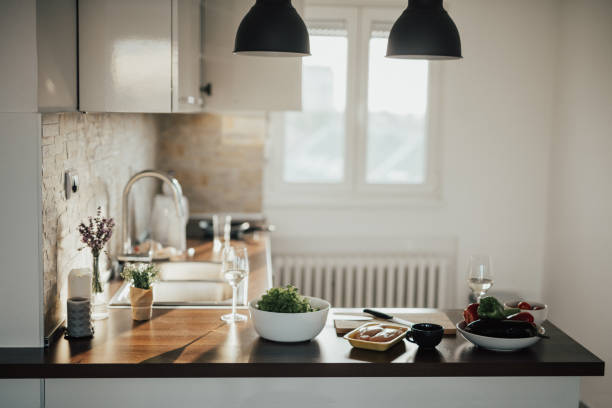
The Art of Peaceful Meals: Cultivating Harmony in the Heart of the Home
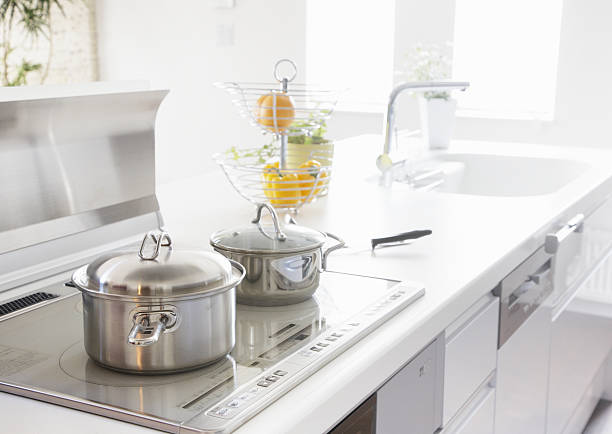
The foundation for peace is laid long before the first onion is chopped. It begins with clear, preemptive communication and planning. Deciding on the menu together, or at least announcing one’s culinary intentions, prevents the frustration of conflicting plans clashing in a single pan. Similarly, establishing a loose schedule for who cooks and when, especially on busy weeknights, can defuse the tension of competing for stove space while hungry. This proactive approach transforms the kitchen from a territory to be claimed into a shared project with a common goal: a pleasant meal. Furthermore, a critical yet often overlooked element is the state of the kitchen itself. Entering a chaotic space of yesterday’s dishes and cluttered counters is a recipe for short tempers. A simple, shared commitment to basic tidiness—loading the dishwasher, wiping surfaces—creates a neutral, welcoming canvas for the next cook, removing a major and common source of irritation.
Once the cooking commences, the principles of mindfulness and role clarity become paramount. The kitchen during meal preparation is a zone of focused activity, not the ideal venue for discussing weighty relationship issues or dissecting the day’s stresses. If a serious conversation must happen, it is wise to table it—literally—until everyone is seated and nourished. During the active cooking phase, treat your co-inhabitants with the courtesy you would afford a colleague in a professional kitchen. Announce your movements—“behind you,” “hot pan coming through”—to prevent collisions and the startled reactions that fuel snippy remarks. If sharing the task, define roles willingly: one person handles the main dish while the other sets the table or prepares the salad. This collaborative division of labor, entered into without resentment, fosters teamwork rather than competition.
Ultimately, the most potent ingredient for avoiding arguments is a generous application of grace and lowered expectations. Perfectionism is the enemy of kitchen harmony. The meal does not need to be gourmet; the process does not need to be seamless. Embrace the inevitable mess, laugh at the burnt edges, and accept that your partner may dice an onion in a way that seems fundamentally wrong to you. Choosing to value the shared experience and the effort over flawless execution dissolves countless potential conflicts. This grace extends to moments of stress. If you feel irritation rising from a spilled ingredient or a misunderstood instruction, take a deliberate breath before speaking. Often, a moment of pause is enough to recognize the triviality of the trigger in the grand scheme of your relationship.
In the end, a harmonious kitchen is cultivated through a conscious commitment to respect the space and each other. It is built on the understanding that this room, with its inherent pressures of time, hunger, and sharp objects, requires a special degree of patience. By planning ahead, communicating clearly, acting mindfully, and prioritizing kindness over correctness, we can transform the kitchen from a potential battleground back into the nourishing heart of the home. The goal shifts from simply getting dinner on the table to doing so in a way that leaves everyone’s dignity—and the evening’s peace—intact.