The Art of Culinary Resilience: Navigating Disagreements and Mistakes in the Kitchen
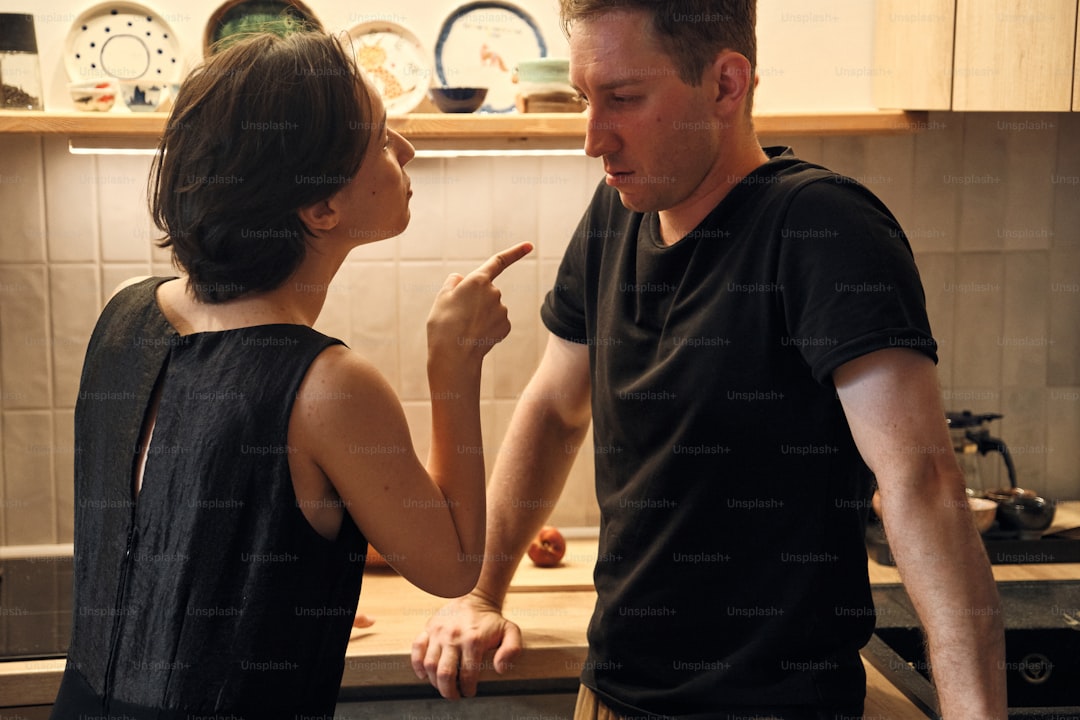
When disagreements arise, often rooted in differing culinary philosophies or generational techniques, the most effective approach begins with respectful curiosity. Instead of dismissing a method as “wrong,“ framing a question around intent opens dialogue. Asking, “I usually add the garlic earlier to mellow its bite; what does adding it at the end achieve for your dish?“ acknowledges the other cook’s agency while sharing your own perspective. This shifts the dynamic from a battle of wills to a shared exploration of outcomes. The goal is not to win an argument but to understand the desired flavor profile or texture, allowing the dish itself to be the ultimate arbiter. In professional settings, deferring to the head chef’s vision is paramount, but even there, questions posed at an appropriate time can be a mark of engagement, not insolence.
Mistakes, however, present a different, more immediate challenge. The initial reaction is often one of frustration or panic. The crucial first step is a simple yet profound act of acknowledgment. Declaring, “I’ve over-reduced the sauce,“ immediately halts the march toward a worse outcome and mobilizes the team for problem-solving. This culture of immediate, blame-free ownership is the bedrock of a functional kitchen. It treats errors as system problems rather than personal failures. From there, the culinary mindset shifts to one of creative salvage. Cooking is fundamentally a science, and many mistakes have logical, if not always perfect, corrections. A too-spicy curry can be tempered with dairy or coconut milk; a broken emulsion can be rescued by slowly whisking it into a new base. Sometimes, the solution is a strategic pivot—over-whipped cream destined for a topping can be folded into a base for an icebox cake. The mistake becomes a detour, not a dead end.
Perhaps the most transformative aspect of handling these setbacks is the commitment to post-mortem reflection, conducted away from the heat of the moment. After the meal is served or the guests have left, a calm discussion about what happened turns an isolated incident into a lasting lesson. This is not about assigning blame but about analyzing the sequence: Was the oven temperature inaccurate? Was the recipe unclear? Were we rushing? This reflective practice embeds deeper understanding, ensuring the same mistake is less likely to recur. It transforms a burnt roast from a dinner disaster into a valuable reminder about oven calibration and the importance of timers.
Ultimately, the kitchen teaches that perfection is a direction, not a destination. Disagreements, when handled with respect, expand our culinary vocabulary and challenge our assumptions. Mistakes, when met with composure and ingenuity, are our most memorable teachers. They build resilience, the essential quality that allows a cook to recover during a busy service or to laugh rather than cry when a cake sticks to the pan. By fostering an environment where communication is open, problems are owned, and creativity is applied to correction, we do more than save a meal. We cultivate patience, adaptability, and collaboration—skills that nourish us far beyond the dining table. The true measure of a cook is not in a flawless execution, but in the graceful, intelligent recovery from the inevitable stumble, emerging with wisdom folded into every subsequent creation.