Seasoning is not just a sprinkle of salt at the end. It is a conversation between you, your partner, and the food. When you cook side by side, you learn to pay attention. You smell, you taste, and you adjust. That simple back-and-forth can make dinner better. It can also make you feel closer. You do not need fancy skills. You need a spoon, a little patience, and a willingness to try.
Start with salt. Salt is the most basic seasoning, but it does a big job. It makes food taste more like itself. A tomato tastes more tomato-y. A potato tastes more potato-y. The trick is to add a little at a time. Put a pinch in. Stir. Taste. Then decide. If you dump in a lot, you can’t take it back. So go slow. Take turns. One of you can hold the salt bowl. The other can taste. Say “a little more” or “that’s good.“ This is not about being bossy. It is about helping each other find the right spot.
Next comes fat. Fat can be oil, butter, or even the fat from meat. It carries flavor around your mouth. It also helps food turn golden and smell warm. When you cook together, heat a little oil in a pan. Add chopped onion or garlic. Let it soften. One person can stir while the other watches the heat. You will see the onion turn clear. You will smell the garlic wake up. That smell is a signal. It tells you flavor is building. If the pan gets too hot, turn it down. If it looks dry, add a splash more oil. Teamwork keeps it from burning.
Acid is the next helper. Acid comes from lemon, lime, vinegar, or tomatoes. It can make a heavy dish feel lighter. Have you ever tasted soup and thought, “Something is missing”? A few drops of lemon can fix that. Add acid in tiny amounts. Stir. Taste. You can always add more. This is a safe way to play. When your partner says, “It needs a little zip,“ you can reach for the lemon. You are not saying the food is bad. You are saying it can be even better. That is a kind way to cook.
Heat matters, too. Heat is not only spicy peppers. Heat is also the temperature of your pan. A hot pan browns food. Browning makes flavor. If the pan is too cool, food steams and gets pale. If it is too hot, food burns. So pay attention. One of you can be in charge of the stove. The other can season. Switch jobs the next time. You will both learn how it feels. You will also learn to trust each other. “Is the chicken ready?“ “Not yet. Give it two more minutes.“ That is teamwork in real time.
The biggest lesson is to taste as you go. A recipe is a guide, not a rule. Every onion is different. Every lemon has a different amount of juice. Your stove may run hot or cool. So you have to check. Keep a clean spoon nearby. Taste the food. Talk about what you notice. Is it flat? Add salt. Is it heavy? Add acid. Is it dull? Add fat or heat. You do not have to agree at first. You just have to keep tasting and talking. That is how you find a flavor you both love.
This kind of cooking is good for your relationship. You practice listening. You practice patience. You practice saying what you need without blame. Maybe your partner likes more salt. Maybe you like more lemon. You can meet in the middle. You can make a dish that belongs to both of you. That feels good. It is a small win you can eat.
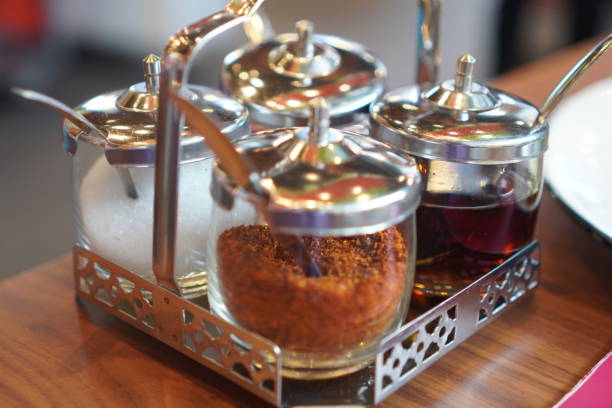
Try it this week. Pick a simple meal, like pasta with garlic and olive oil. Put salt, oil, lemon, and pepper in small bowls. Cook side by side. Taste after each step. Say what you notice. Laugh if it gets too salty. Add more pasta or sauce to balance it. Do not worry about being perfect. You are learning a skill together. The more you season together, the better you get. And the closer you feel.