Navigating Diverse Vegetable Preferences with Harmony
The foundation of any conflict-free approach is open and non-judgmental communication. This begins by moving beyond declarations like “I hate eggplant” to more constructive conversations. Discussing preferences in a calm setting, not in the heat of meal preparation, allows everyone to be heard without defensiveness. It is crucial to frame preferences as personal—“I find the texture of cooked peppers unappealing”—rather than absolute statements that criticize the food itself or the person who enjoys it. This subtle shift removes blame and opens the door to understanding. Active listening is key; acknowledging that a preference is valid, even if you don’t share it, builds a foundation of mutual respect. The goal is not to change minds but to map the culinary landscape of your household.
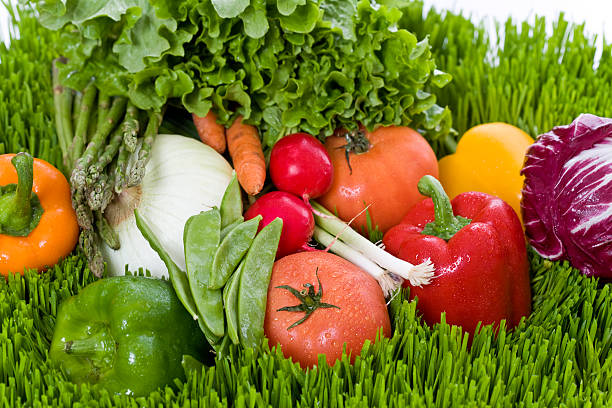
With a clear understanding of everyone’s likes, dislikes, and tolerances, the next step is embracing flexible and modular meal structures. This is where culinary creativity turns potential conflict into collaboration. The concept of “deconstructed” or “build-your-own” meals is a powerful tool. Think of taco bars, grain bowls, salad stations, or baked potato bars. A common base—like rice, quinoa, lettuce, or tortillas—is provided, alongside an array of prepared vegetables, proteins, and sauces. Each person then becomes the architect of their own plate, incorporating only the elements they enjoy. This method honors individual autonomy while preserving the communal act of sharing a meal. Similarly, meals that incorporate vegetables in a blended or less identifiable form, such as in sauces, soups, or casseroles, can sometimes accommodate those who are texture-averse while still providing nutritional benefits.
Furthermore, a spirit of rotation and compromise ensures no one feels perpetually sidelined. If mushrooms are a must for one person and a nightmare for another, the solution isn’t to banish them forever. Instead, they can be scheduled for nights when the mushroom-averse diner has other plans, or prepared as a separate side dish. Taking turns choosing the central vegetable for a meal or dedicating certain nights to exploring new recipes together can make the process feel equitable and adventurous. This approach transforms the dynamic from one of restriction to one of exploration and occasional, agreed-upon sacrifice for the happiness of the group.
Ultimately, handling different veggie preferences without arguing is a practice in empathy and shared problem-solving. It requires letting go of the idea that there is one “right” way to eat and embracing the diversity at the table. By prioritizing clear communication, implementing flexible meal designs, and practicing fair rotation, the dinner table ceases to be a battleground. Instead, it becomes a testament to the fact that harmony does not require uniformity. It is entirely possible to celebrate individual tastes while still breaking bread together in peace, proving that the most nourishing part of any meal is often the respect and consideration served alongside it.