Making the Most of a Tiny Kitchen: A Guide to Culinary Creativity in Compact Spaces
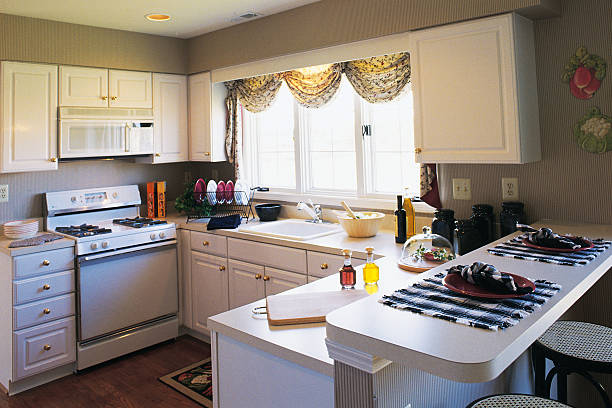
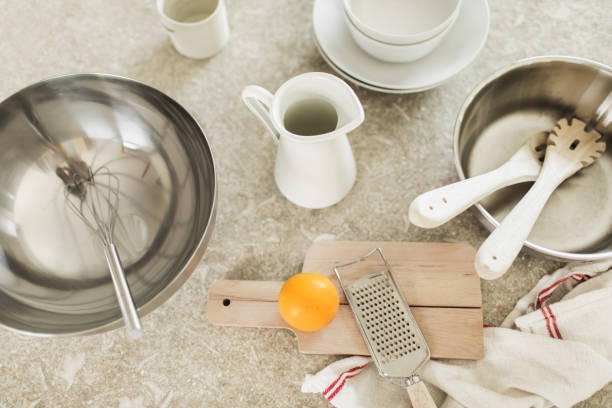
The immediate impact of a tiny kitchen is a forced march toward efficiency and intentionality. There is no room for redundant gadgets or impulsive purchases of unitaskers. Every item must earn its keep, leading to a curated collection of versatile, high-quality tools. This minimalist approach reduces clutter not just physically but mentally, eliminating the daily puzzle of where to store a waffle maker used twice a year. Meal planning becomes a strategic exercise in using overlapping ingredients and considering pot usage, as the luxury of multiple simultaneous projects is off the table. This streamlined process can ironically lead to less food waste and more focused cooking, where the act itself becomes the priority, not the sprawling production around it.
This spatial constraint also fuels remarkable creativity. With limited square footage, the vertical dimension becomes your greatest ally. Walls host magnetic knife strips, hanging pot racks, and shelves for spices, turning blank spaces into functional storage. The space above the refrigerator or the inside of cabinet doors becomes valuable real estate. This need for innovative solutions often results in a kitchen that is uniquely personalized and clever, a true reflection of the cook’s habits and ingenuity. Furthermore, the compact footprint encourages culinary creativity. One learns to master one-pot wonders, sheet-pan dinners, and sequential cooking techniques that maximize flavor while minimizing mess. The limitation becomes a catalyst for exploring cuisines and methods that are inherently space-conscious, from quick stir-fries to elegant composed salads.
Perhaps the most profound shift, however, is social and psychological. A tiny kitchen inherently discourages the model of a solitary cook toiling behind a barricade. Instead, it often becomes a more intimate, communal space—or it gracefully pushes activity into other areas. Guests naturally congregate in a connected living room with a glass of wine, free from crowding the cook, leading to a more relaxed hosting dynamic where the chef remains part of the conversation. The cleanup ritual is also transformed; with no room for a towering pile of dishes, the habit of cleaning as you go becomes second nature, leaving a sense of order and accomplishment rather than a daunting final task. This can reduce the anxiety often associated with cooking and turn it into a more seamless, integrated part of the day.
Ultimately, a small kitchen challenges the modern equation of space with success. It asks us to reconsider what we truly need to nourish ourselves and others. It proves that a gourmet meal does not require a commercial range, and that a warm, welcoming gathering does not depend on a sprawling, open-concept layout. The focus shifts from the container to the content—from the kitchen as a showpiece to the food and fellowship it produces. In this light, a small kitchen is not a compromise but a clarifier. It strips away the non-essential, leaving only the core elements of cooking: good ingredients, thoughtful preparation, and the shared joy of a meal. By embracing its limits, we may just find ourselves more organized, more creative, and more present in the simple, daily ritual of turning ingredients into sustenance, proving that the heart of a home is not measured in square feet.