How to Split Kitchen Tasks Without Arguing — And Actually Enjoy Cooking Together
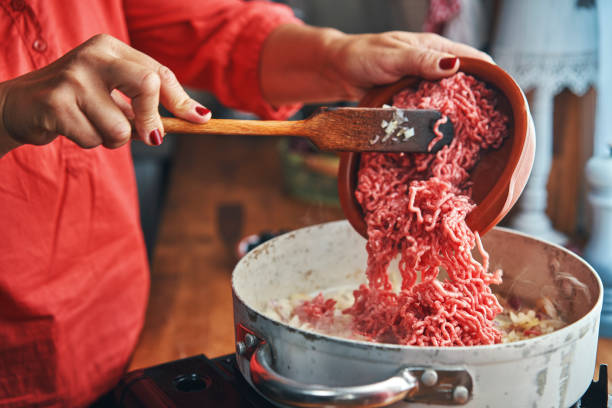
First, talk it out before you tie on your aprons. A quick two-minute huddle can prevent a half-hour of annoyance. Ask each other, “What part of tonight’s meal sounds fun to you?” Maybe you love the rhythmic calm of chopping vegetables, while your partner gets a kick out of sizzling things in a hot skillet. When you volunteer for the jobs that you naturally enjoy, the whole process feels less like work. If you both hate the same task, like peeling sticky garlic or scrubbing a broiler pan, take turns or figure out a shortcut together, like buying pre-peeled garlic once in a while. The goal is to listen without assigning blame. Saying “I’ll handle the messier parts since I know you did them last time” lands a lot softer than “You never clean up properly.” That small shift keeps resentment from simmering on the back burner.
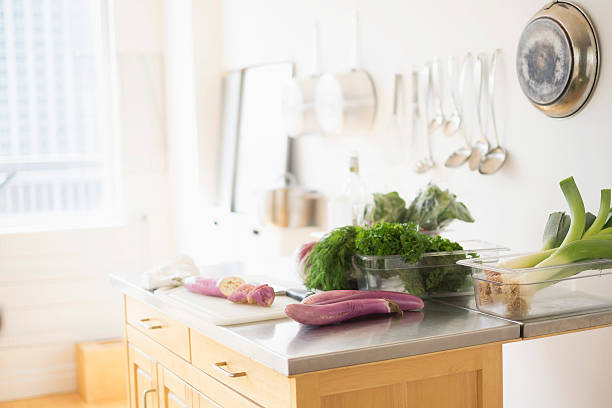
Second, know your strengths and be okay with your quirks. One of you might have a steady hand for measuring spices, while the other can turn a pile of random ingredients into a beautiful salad with no recipe at all. Embrace that. If you are a perfectionist about knife cuts and your partner dices things into chunky squares that are more rustic than uniform, try not to hover and correct. The carrot chunks will taste just as sweet. Letting go of control can feel scary, but it builds trust. When you hand your partner a whisk and say, “I trust you with the sauce,” you are feeding your relationship, not just your stomachs. Over time, you learn who handles what best and the kitchen starts to flow like a gentle dance instead of a tug-of-war.
Another powerful habit is to share both the shiny jobs and the sticky ones. It is easy to fall into a pattern where one person always plates the food beautifully while the other always scrapes the crusty bits off the casserole dish. That imbalance can slowly drain the joy out of cooking together. So swap roles. If you usually man the stove while your partner preps, switch for a night. Let the one who normally washes dishes stand beside you and stir the risotto while you fill the sink with soapy water. When you walk a mile in each other’s kitchen clogs, you gain a quiet appreciation for the effort behind every task. The work feels fairer, and fairness is a love language all its own.
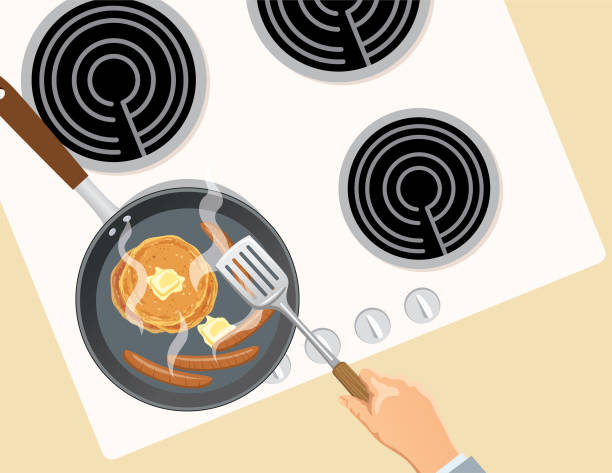
Mess-ups will happen, and how you handle them makes all the difference. A tipped-over bag of flour or a forgotten pinch of salt can either spark a funny memory or a frosty standoff. Try turning mistakes into soft moments instead of ammunition. If the pancakes are a little burnt on one side, call them “extra caramelized” and laugh. If the soup is too thin, name it your special brothy creation and dunk some crusty bread into it. When you treat the kitchen as a safe zone for imperfection, you are telling your partner, “You matter more to me than a flawless meal.” That kind of safety feeds emotional intimacy quicker than any perfect roast chicken ever could. A sense of humor is your best cleanup tool.
Music can be a quiet peacemaker too. Put on a playlist that you both love—maybe the songs you slow-danced to at your wedding or the goofy pop tunes from your first road trip. When the air fills with familiar melodies, small annoyances like a splattered countertop lose their power. You find yourselves humming while you work, bumping hips as you move from fridge to stove. Following a recipe together while singing off-key makes the kitchen feel like a private concert hall. You start looking forward to the time, not just the food.
Do not forget to sprinkle gratitude like a finishing salt. A simple “Thanks for tackling that mountain of dishes” or “You seasoned the chicken perfectly” goes a long way. Our brains are wired to notice what goes wrong, so we have to purposely point out what goes right. When your partner feels seen and valued, they relax. And a relaxed cook is a more fun person to share a cutting board with. A warm squeeze on the shoulder or a quick kiss while the pasta boils can be more tender than any grand gesture. Those tiny signals say, “We are a team, and I love having you beside me.”
It also helps to remember why you are really there. Unless you are training for a culinary competition, the end goal is not a magazine cover plate. The goal is spending time with someone you adore. The laughter you share over a lopsided pie crust or a salad dressing that got a little too zesty is the real nourishment. When you keep your eyes on that prize, it becomes easier to let go of who chops faster or who dirties more bowls. You start to see the kitchen as a place where everyday love happens in its most honest, garlic-scented form.
Finally, build a few simple rituals that feel like “us.” Maybe you always squeeze fresh lemon juice over a finished dish together and clink forks before the first bite. Perhaps Sunday morning breakfast becomes your sacred team project where no phones are allowed. Little rituals create a sense of belonging and make your kitchen feel like a home you build side by side. When you establish this rhythm, dividing tasks stops being a negotiation and becomes an unspoken agreement. You know you will both land exactly where you are needed because you have practiced the dance so many times before.
Splitting kitchen tasks without arguing does not require a perfect system. It thrives on communication, kindness, and a generous dash of playfulness. Treat the chopping block as a conversation table, the stovetop as a stage for togetherness, and the sink as a place where you don’t mind standing elbow to elbow. When you cook with partnership in your heart, even the simplest meal becomes something you built with love. And that is the best recipe you will ever share.