How to Read Any Recipe: A Fun Skill to Learn Together
First, get into the habit of reading the whole recipe before you touch a single pot. This sounds simple, but lots of people just jump right in. When you read it all the way through together, you both know what’s coming. You won’t be halfway through and realize you need to chill something for two hours, or that you don’t have an ingredient. So grab the recipe, sit down with your partner, and read it out loud. Talk about what sounds easy and what seems tricky. That little bit of teamwork sets you up for success.
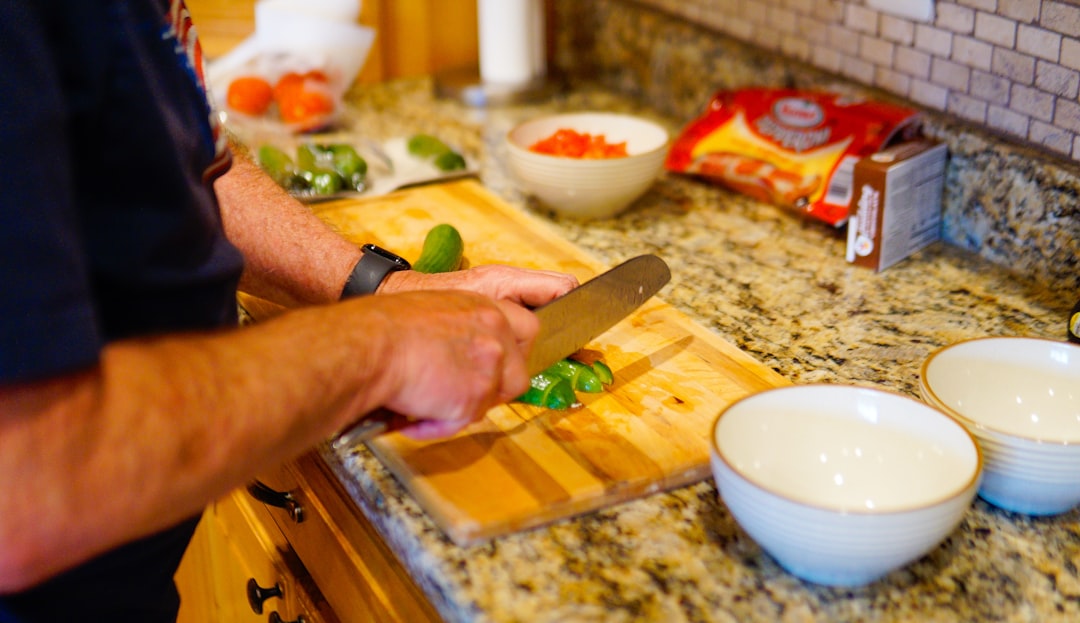
Now let’s talk about the words. Recipes use a special language, but it’s not a foreign language. Words like “dice,” “mince,” “chop,” and “slice” all mean different cuts. “Dice” means cut into small cubes the size of your pinky fingernail. “Mince” means chop super tiny, almost like a paste. You don’t have to memorize all of them at once. Just keep a quick cheat sheet on your phone or stick it on the fridge. When you’re reading together, one person can look up a word while the other gets the cutting board ready. That’s called working as a team.
Then there are the measurements. Cups, teaspoons, tablespoons, ounces, and grams can be confusing. The easiest way to handle this is to decide if you want to use volume (cups and spoons) or weight (grams and ounces) and stick with that. Most American recipes use cups and spoons. A “cup” is about the size of a coffee mug, but use a real measuring cup for accuracy. A “tablespoon” is three teaspoons. A “teaspoon” is the small spoon you stir coffee with. When you read the recipe together, have your partner hold up the correct measuring spoon while you check the number. It turns reading into a game instead of a chore.
Another thing that trips up couples is the order of steps. Recipes often say things like “add the flour gradually” or “fold in the cheese.” “Gradually” means a little at a time, not all at once. “Fold” means gently mix with a big spoon or spatula so you don’t smash everything. You can practice this skill by doing one step at a time, with one person reading the next instruction out loud and the other person doing it. That way both of you are involved, and nobody feels lost.
Temperature is another area where reading carefully matters. “Bake at 350 degrees” is not the same as “broil” or “roast.” Baking uses heat from all around, broiling uses heat from the top, and roasting is like baking but usually for meats and veggies in a shallow pan. If the recipe says “preheat the oven,” do that first. You can both check the dial together. It’s a small thing, but doing it together builds good habits.
A big secret about recipes is that they are just guides, not rules. If you see an ingredient you don’t like, you can swap it. If the recipe calls for “1 cup of chopped onion” and your partner hates onions, you can leave them out or use a different veggie. The recipe won’t explode. Reading it together lets you talk about changes before you start. That way you’re both happy with the final dish, and cooking stays fun, not stressful.
Finally, remember that you are both learning. If you mess up a step or misunderstand something, it’s okay. Laugh it off and try again. The whole point of reading a recipe together is to share a skill and grow closer. You might discover that one of you is great at math and converting measurements, while the other is a wizard at following directions. That’s the beauty of cooking as a pair – you fill in each other’s gaps.
So next time you want to try a new dish, pull out a recipe, read it side by side, and take it step by step. You’ll learn faster, cook better, and have a lot more fun. And the best part? That meal you make together will taste extra good because you both understood exactly what to do.