How to Hold a Knife the Right Way (And Why It Helps Your Relationship)
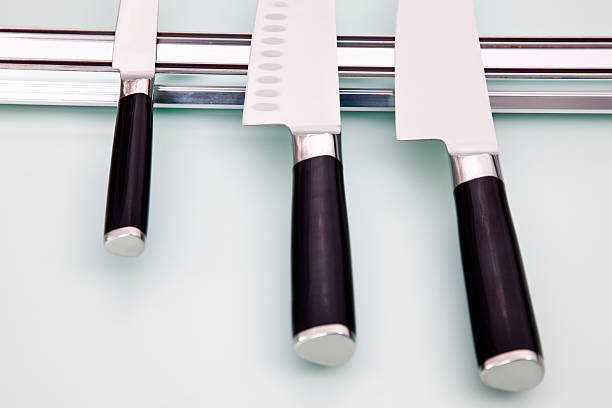
First, pick a knife that feels good in your hand. You don’t need a dozen fancy knives. One good chef’s knife around eight inches long is perfect for almost everything. When you hold it, your grip should be relaxed but firm. Don’t choke the knife like you’re trying to squeeze juice out of it. Instead, pinch the blade right where it meets the handle with your thumb and index finger. Then wrap your other three fingers around the handle. This is called the pinch grip. It gives you a lot of control. Your partner can try it too. Stand side by side at the cutting board and practice this grip together. Talk about how it feels. Is it comfortable? Does it feel awkward? That’s okay. You’re learning as a team.
Now, the hand that holds the food needs to be safe too. Use what chefs call the claw grip. Curl your fingertips under so your knuckles stick out. Rest the side of the blade against your knuckles. That way, when you chop, the knife slides along your knuckles and your fingertips are tucked away. You won’t cut yourself because the blade never gets past your knuckles. This takes practice. But if you and your partner practice together, you can watch each other’s hands and give friendly reminders. Say something like, “Hey, I think your fingers are poking out.” Or, “Nice claw grip!” That kind of teamwork builds trust.
Here is a fun exercise for you two. Get a medium onion or a carrot. Take turns being the knife holder and the safety spotter. The spotter watches the other person’s hand position and gives gentle corrections. After five minutes, swap roles. This helps you both learn at the same time. You’ll notice that when you have someone watching out for you, you feel more confident. And when you are the spotter, you learn by seeing what works and what doesn’t. It’s like being each other’s coach.
Why does this matter for your relationship? Because learning a new skill side by side forces you to communicate. You have to talk about what you’re seeing. You have to be patient when your partner messes up. And you get to celebrate small wins together. When you both master a proper knife grip, you feel a sense of accomplishment. That feeling spills into other parts of your life. You realize that if you can learn to hold a knife safely as a team, you can handle other challenges too.
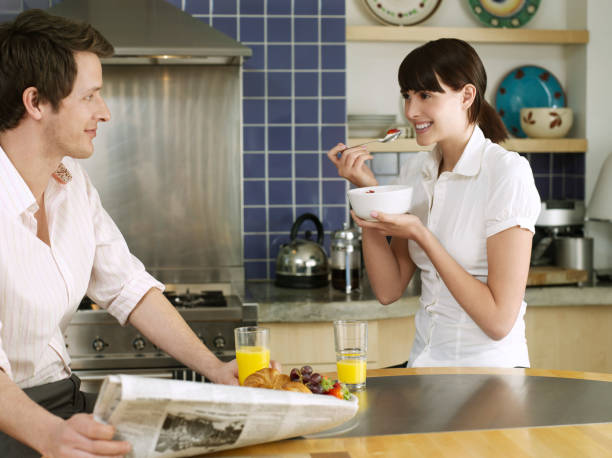
Also, cooking becomes more fun. When you’re not scared of the knife, you can focus on the food and each other. You can chat while you chop. You can laugh when you make a weird shaped piece. You can high five after you finish dicing an entire onion without crying. Or maybe you will cry because onions make you cry, but that’s okay. You can cry together and then laugh about it later.
Another tip: keep your knife sharp. A dull knife is actually more dangerous because you have to push harder, and it can slip. A sharp knife cuts smoothly with less effort. So take a few minutes to sharpen your knife together. You can use a honing rod or a simple sharpener. Learning how to care for your tools is another skill you share. It shows you respect the equipment and each other’s safety.
Remember, safety comes first. Always cut on a stable cutting board. Put a damp paper towel under the board to keep it from slipping. Never try to catch a falling knife. Just let it drop. Your toes are not worth that. When you need to wash the knife, keep the blade pointed away from your body. And always hand it to your partner with the handle first. That small act shows you care about their safety. It’s a little gesture of love.
Go slow at first. You don’t need to chop like a TV chef. Speed comes with practice. The goal is to feel comfortable and confident. If you make a mistake, laugh it off. Nobody is perfect. The point is you’re doing this together. Every time you pick up a knife, you’re not just preparing food. You’re preparing your relationship to be stronger.
So there you have it. Holding a knife the right way is simple once you know how. The pinch grip, the claw grip, and a little teamwork make all the difference. The next time you and your partner step into the kitchen, try this. Spend ten minutes just practicing the grip. You don’t even need to cut anything at first. Just hold the knife and move your hand like you’re chopping. Get used to the feeling. Then move on to a soft vegetable like a zucchini. Slow and steady wins the race. Before you know it, you’ll be dicing, slicing, and mincing like pros. More importantly, you’ll be growing closer one chop at a time. Cooking together is about more than just food. It’s about sharing a moment, learning something new, and building a stronger bond. And it all starts with how you hold that knife.