How to Find Recipes That Work for Both Your Diets (Without the Stress)
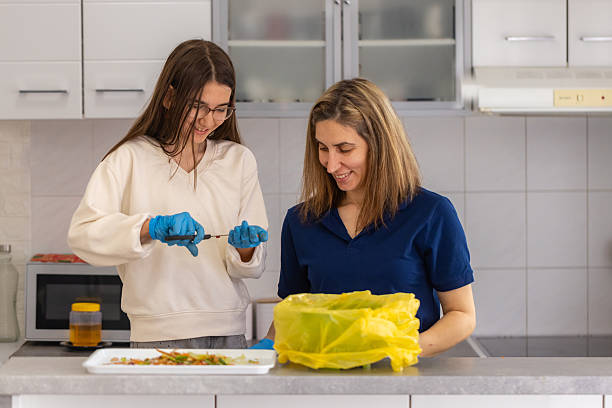
First, stop thinking about diets as a list of things you can’t eat. Instead, think about what you both can eat. Start by writing down your must-haves and your can’t-haves. Maybe you need something low in sodium because of a health goal. Maybe your partner is trying to eat more vegetables. Or maybe you both just want to cut back on sugar. The point is to see where your needs overlap. Chances are, you both want meals that taste good, fill you up, and don’t take three hours to make. That’s a solid start.
Now, look for recipes that are built to be flexible. Stir-fries are a perfect example. You can cook a base of veggies and a protein that works for both of you. If one of you needs more protein, you can add extra chicken or tofu on the side. If the other needs fewer carbs, you can serve it over cauliflower rice instead of regular rice. A simple soup is another great choice. Make a big pot of broth with vegetables and a lean meat, then let each person add their own toppings. One person can toss in cheese, the other can add a dollop of yogurt. This way, you’re eating the same meal but making it work for your own body.
Another trick is to build a “build-your-own” night. Think tacos, baked potatoes, or rice bowls. Set out a bunch of ingredients that fit your different needs. You can have corn tortillas for your partner and lettuce wraps for you. Put out black beans, grilled chicken, salsa, avocado, and shredded cheese. Everyone grabs what they want. This takes the pressure off you to get the recipe exactly right. It also makes cooking together more like a game. You can laugh about whose plate looks the wildest.
When you’re searching online for recipes, use keywords that describe what you both need. Instead of just typing “healthy dinner,” try “gluten-free and dairy-free stir-fry” or “low-carb high-fiber soup.” Most recipe sites let you filter by dietary tags. Use those tools. And don’t be afraid to tweak a recipe. If it calls for butter and you’re avoiding dairy, swap in olive oil or avocado oil. If it asks for white flour and your partner is gluten-free, use almond flour or oat flour. Most swaps work just fine, especially in things like casseroles or sheet pan dinners.
Speaking of sheet pan dinners, they are your best friend. Throw some chicken, broccoli, and sweet potatoes on a pan. Season it all the same. For your partner, maybe add a side of quinoa. For you, add a side of roasted chickpeas. It’s the same pan, same effort, but two different outcomes. This saves time and keeps you from feeling like a short-order cook.
Don’t forget to talk about what you really want. Sometimes we think we need a strict diet, but really we just want to feel good after eating. Ask your partner: “What makes you feel energized in the evening?” Or “What food makes you happy but also healthy?” You might find out you both crave the same kind of comfort food, just prepared a little differently. That’s a win.
Cooking together is about more than the food. It’s about working side by side, solving a problem together, and sharing a meal that makes you both feel cared for. When you find recipes that fit both your dietary needs, you’re not just feeding your bodies. You’re showing each other that you pay attention to what matters. That builds trust and closeness in a way that no restaurant meal ever could.
So next time you’re staring at a recipe that doesn’t seem to work for your partner, don’t give up. Think of it as a puzzle you get to solve together. You might end up with a dish that’s even better than the original. And you’ll definitely end up with a stronger bond.