How to Create a Two-Person Cooking Zone in a Tiny Kitchen
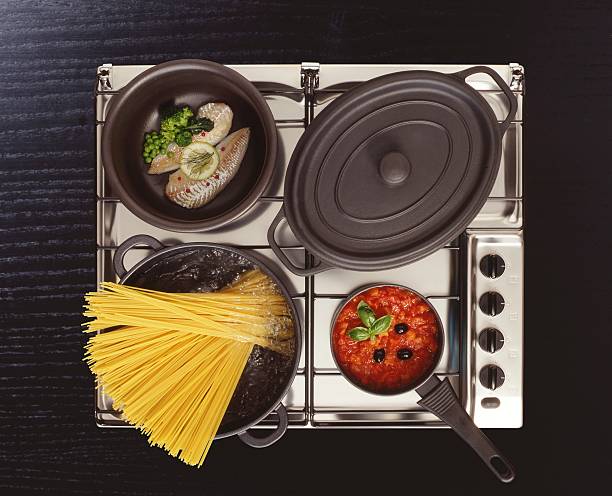
Start by thinking about the way you move. Most people cook in a triangle between the sink, the stove, and the fridge. In a small kitchen, that triangle is tight. So instead of having both of you in that same triangle, split up the jobs. One person can take the cutting board and do all the chopping on one side of the counter. The other person can stand near the stove and handle the pots and pans. That way, you are not fighting for the same spot. You are working side by side but with your own space. For example, put a small cutting board on the left of the sink for the person who preps vegetables. Keep the right side of the stove clear for the person who stirs and seasons. Give each person their own towel and their own trivet. These tiny moves make a huge difference.
Next, think about what you really need out on the counter. In a tiny kitchen, counter space is gold. If your counters are covered with toasters, coffeemakers, and jars of spices, you have no room to cook. So pick one or two appliances you actually use every week and put everything else away. Maybe you and your partner love making smoothies in the morning. Keep the blender out. But if you only use the slow cooker once a month, stash it in a cabinet. The same goes for knife blocks and fruit bowls. A small kitchen works best when the counters look mostly empty. That empty space becomes your cooking zone. You can even make a rule with your partner: if something has not been used in seven days, it goes in a drawer. That helps both of you stay honest about what you really need.
Now let’s talk about cabinets and drawers. You and your partner probably have your own favorite tools. Maybe you love that big spatula, and they love the tongs. That is great. But in a small kitchen, you cannot each have a full set of everything. So split the drawers by function, not by person. One drawer is for all the cooking utensils everyone uses. Another drawer holds the measuring cups and spoons. A third drawer is for towels and oven mitts. When everything has a home, you can grab what you need without digging around. And when you know where things live, you can help each other find stuff quickly. That makes cooking together feel smoother and more connected. Try putting a small divider in your utensil drawer so the spoons do not roll into the spatulas. That tiny bit of order saves a lot of frustration.
Another big idea for small kitchens is using the walls. You do not have to keep everything on the counters or in the cabinets. Hang a magnetic strip on the wall for knives. Put a hook rack for your most-used pots and pans. Hang a simple shelf for oils and spices. This opens up counter space and makes your kitchen feel more open. But here is the couple part: pick the wall space together. Decide what you both want within reach. Maybe you hang a small whiteboard on the wall to write down meal ideas or grocery lists. That whiteboard becomes a shared tool for your cooking life. It helps you plan meals as a team and reminds you of what you need to shop for. Plus, it gives you a fun little spot to leave sweet notes for each other while the food simmers.
Finally, remember that organizing a tiny kitchen is not about being perfect. It is about making cooking together feel good. So do not stress if your cabinets are not color-coded or if your spice rack looks a little messy. What matters is that you and your partner can move around, find things, and enjoy the time you spend making meals side by side. Set up your little zones, clear off your counters, and give each other room to work. When you have a plan for your space, you have more energy for the important part: laughing, tasting, and cooking something delicious together. That is what makes a small kitchen feel big enough for both of you.