Learning to Read a Recipe Side by Side
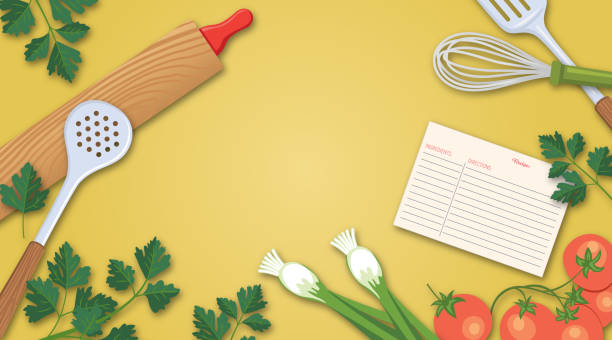
So here’s the first secret to reading any recipe as a couple. Read it out loud. Not in your head. Not silently scrolling on your phone while the other person is already grabbing bowls. Take the recipe, put it on the counter where you both can see it, and read every single word together. This might feel goofy at first, but it saves you from the “I thought you said a teaspoon of salt” argument that ruins a whole evening. When you read aloud, both of you hear the same thing. You can stop and ask questions. You can point to a word that looks weird and laugh about it. Reading together means you’re both in charge, not just one person guessing.
Next, break the recipe into two jobs. One of you is the Reader, the other is the Doer. The Reader says the steps out loud, and the Doer does them. Then switch. This works like magic because it keeps both of you involved. The Reader isn’t just standing there bored while the Doer chops for ten minutes. The Reader has to watch and say, “Okay, next it says to add the oil,” and the Doer has to listen and respond. That back-and-forth is exactly the kind of teamwork that makes cooking together feel like a team sport instead of a chore. Plus, when you mess up a step, you mess it up together. And that’s way more fun than blaming each other.
Now let’s talk about the parts of a recipe that trip up most beginners. The first one is the ingredients list. Pay attention to the words “divided.” When a recipe says “1 cup of flour, divided,” that means you don’t dump all the flour in at once. You use some now and some later. If you miss that word, you might end up with dough that feels like concrete. Another sneaky one is “chilled” versus “cooled.” Chilled means put it in the fridge for a while. Cooled means just let it sit on the counter until it’s not hot. Small differences, but they change everything. Talk about those details together. Ask each other, “Do you think this butter should be really cold or just room temp?” That question is not about butter. It’s about checking in with each other.
Also, look at the order of the steps. Recipes are written in a sequence for a reason. If you skip ahead or combine steps, you might find yourself holding a wet measuring cup while trying to pour oil into a dry bowl. That’s a mess you don’t need. So before you even start cooking, sit down and read the whole recipe from top to bottom. No, really. Both of you read it all the way through. This gives you a map of the whole meal. You’ll see that Step 3 says “let the onions caramelize for ten minutes” while Step 4 says “meanwhile, cook the rice.” That “meanwhile” is huge. It means you can work on two things at once. One of you can watch the onions, the other can start the rice. That’s team efficiency, and it feels great when you pull it off.
Here’s one more thing that most people don’t think about. The recipe is a guide, not a rulebook. It’s okay to make small changes. Maybe you don’t have cilantro, so you use parsley. Maybe the recipe calls for a pan you don’t own, so you use a bigger one. The only thing you absolutely cannot change is the baking time and temperature for things like cookies or cakes. That’s science. But for stovetop stuff, feel free to experiment together. That’s when cooking becomes creative, and creativity is a fantastic way to bond. You get to say, “What if we added a little more garlic?” and your partner says, “Yes, do it!” And that little moment of saying yes to each other builds trust.
At the end of the day, reading a recipe together is not about getting every single detail perfect. It’s about learning to listen, laugh, and lean on each other when the chicken burns a little bit or the sauce is too salty. You’ll remember the mess-ups way more than the perfect meals. So grab a recipe, stand next to each other, and start reading. You’ll be shocked how much closer you feel after one hour in the kitchen.