First Time Cooking as a Couple: A Recipe for Connection
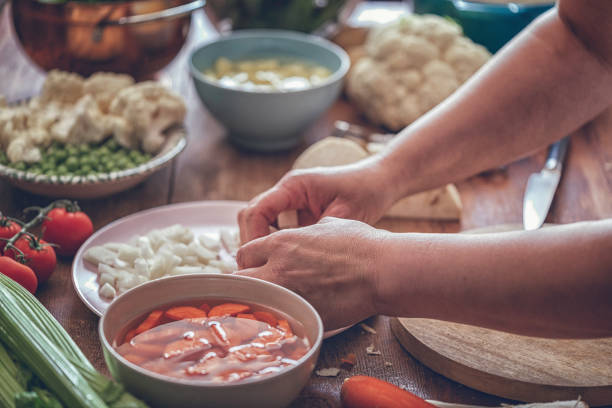
There is no sugarcoating it: it will be messy. You will discover that your partner’s method for dicing a carrot is borderline anarchic, and they will be horrified that you consider a “pinch of salt” to mean a full three-finger scoop. The silence as you both read the same instruction for the third time, each waiting for the other to act, is palpable. This is the crucial moment. Do you snap about the correct way to mince garlic, or do you laugh at the absurdity of having a “correct way” at all? The choice defines the entire endeavor.
This process forces a kind of collaborative language you likely haven’t needed before. “Behind you” becomes a vital safety announcement as someone moves from sink to stove with a pot of boiling water. “Your turn to stir” is a peaceful transfer of power. You are no longer two individuals on a date; you are a makeshift kitchen crew. The goal shifts from impressing each other to simply getting the meal on the table without setting off the smoke alarm. In that shared, practical mission, something genuine takes root. You are building a tiny, edible project as a team.
The potential for minor disaster is high, and that is where the gold is. The sauce might break. The potatoes could be stubbornly crunchy. When these inevitable small failures happen, you see each other without the usual social armor. Does your partner get flustered and blame the recipe, or do they shrug and suggest adding more cheese? Your reaction to their reaction is equally telling. Do you criticize, or do you grab a spoon and taste the lumpy gravy together, deciding it’s actually kind of good? Navigating these micro-crises without turning on each other builds more trust than a dozen perfect restaurant meals.
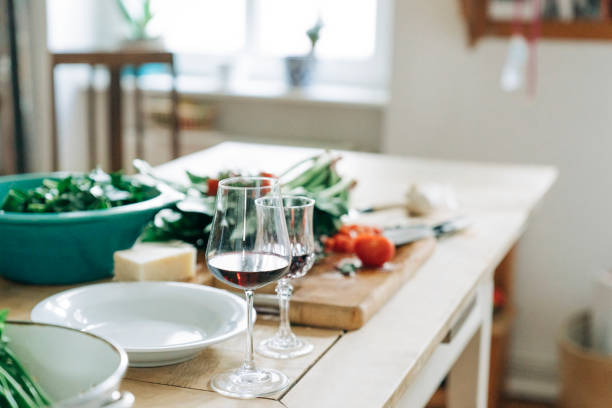
And when you finally sit down to eat, the food tastes different. It is not just fuel or a culinary masterpiece. It is a physical artifact of your two-hour negotiation. That slightly burnt edge on the chicken, the aggressively garlicky salad dressing—they are souvenirs of the experience. You are not just consuming calories; you are consuming the memory of your partner’s concentrated face as they stirred the risotto, the way you both jumped when the oil spattered, the collaborative triumph when you realized you forgot an ingredient and improvised a substitute together.
This first cooking attempt is a blueprint. It shows you how you operate under low-stress pressure, how you share space, and how you celebrate a joint effort. The meal itself is almost secondary. The primary outcome is the discovery of a new, active way to be together. It turns passive companionship into active partnership. You leave the kitchen knowing more: not just how to sear a scallop, but how your partner handles frustration, offers help, and shares a victory. You learn that “we made this” is a profoundly more satisfying phrase than “I bought this.”
So, pick a recipe, clear the counter, and step in. Embrace the spilled flour and the confused silence over the instructions. Don’t aim for a photo-ready meal. Aim for the conversation, the teamwork, and the shared laugh when something goes sideways. That is the real nourishment. The food is just the delicious excuse.