What If We Have Totally Different Tastes in Food?
Fundamentally, differing tastes are a lesson in separating personal preference from personal identity. Liking or disliking kimchi, black licorice, or oysters says little about one’s character, sophistication, or openness. These preferences are woven from a complex tapestry of genetics, childhood exposure, cultural background, and even forgotten memories. Recognizing this depersonalizes the difference. It is not a rejection of your cooking or your culture, but simply a reflection of a separate sensory journey. This understanding fosters patience and prevents the common pitfall of taking another’s “no, thank you” as a critique of one’s own world.
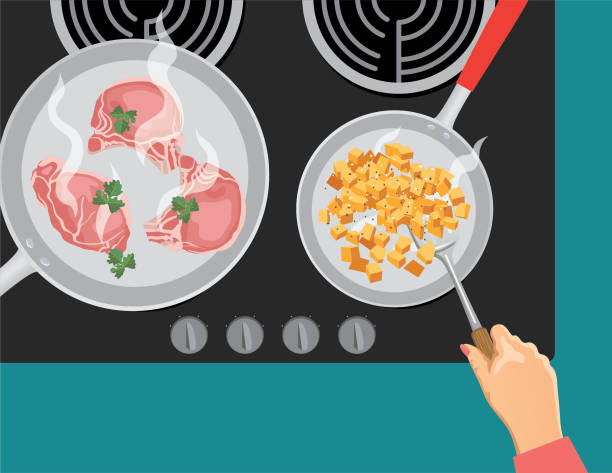
Rather than viewing the kitchen as a battleground for dominance, it can be transformed into a laboratory for exploration. Compromise ceases to be about sacrifice and becomes about shared discovery. This might mean deconstructing meals—grilling plain chicken alongside a spicy marinade, or serving a rich curry with various condiments on the side. The act of cooking together, even preparing two different dishes, can be a bonding ritual. More excitingly, it invites a “try a bite” culture without pressure. The goal shifts from conversion to education; you are not trying to make them love durian, but offering a single, curious taste of your own experience. In return, you might bravely sample the anchovy-laden pizza they adore. These small acts build a language of respect and bravery.
Over time, this daily negotiation cultivates profound empathy. You begin to notice and remember: they always pick out the bell peppers, they love anything with sesame, they have a visceral reaction to the texture of cooked mushrooms. This attentiveness to another’s sensory world is a subtle, continuous form of care. It is the quiet act of setting aside a portion of soup before adding the cilantro, or remembering to pick up their favorite mustard at the store. These considerations, born from difference, often speak louder than any shared meal. They communicate, “I see you, in your unique and particular tastes, and I value your comfort.“
Ultimately, a partnership of opposing palates expands both individuals’ worlds. You are gently pushed beyond your own culinary rut. The spice-averse may find a single chili they can tolerate, opening a door to new cuisines. The devout vegetarian might discover the joy of cooking an elaborate fish dish for their partner, finding satisfaction in the craft and the pleasure it brings. The world of food becomes broader, not narrower. You accumulate a repertoire of diverse recipes and restaurants, becoming more adaptable and interesting guests and hosts. Your shared food story is no longer a monolithic tale but a layered narrative with distinct, respectful threads.
In the end, the question of totally different tastes is not about food at all. It is a microcosm for all human relationships. It asks us how we handle divergence, negotiate space, and find harmony without demanding uniformity. A successful partnership is not built on a perfectly overlapping Venn diagram of preferences, but on the willingness to appreciate the other’s diagram, and to joyfully explore the spaces in between. The shared meal, therefore, is not defined by identical plates, but by the conversation across the table—a conversation enriched by the very differences that once seemed so challenging. The truest flavor of companionship is not sweet or savory, but the complex, developed taste of mutual understanding, patiently seasoned over time.